
ISCN Latin American Chapter Announces New Leadership Structure
Building on the recent successes of the ISCN Latin American Chapter at COP16 and COP30, we are pleased to announce an important update in the Chapter’s leadership structure. The Chapter was a key outcome of the 2019 ISCN Conference hosted by Universidade de São Paulo, in Brazil. The conversation centered on the need to provide a regional forum to discuss common national, Latin American, and global sustainability challenges and opportunities while seeking ways to leverage the collective knowledge of ISCN members internationally.
With this important context in mind, we are very grateful that the Universidade de São Paulo will assume the Presidency and Secretariat of the Chapter, with Tecnológico de Monterrey co-leading in the Vice Presidency role in 2026. This new leadership arrangement reflects the continued strengthening of collaboration across the region and builds on the strong engagement and visibility the Chapter has achieved in recent international climate forums.
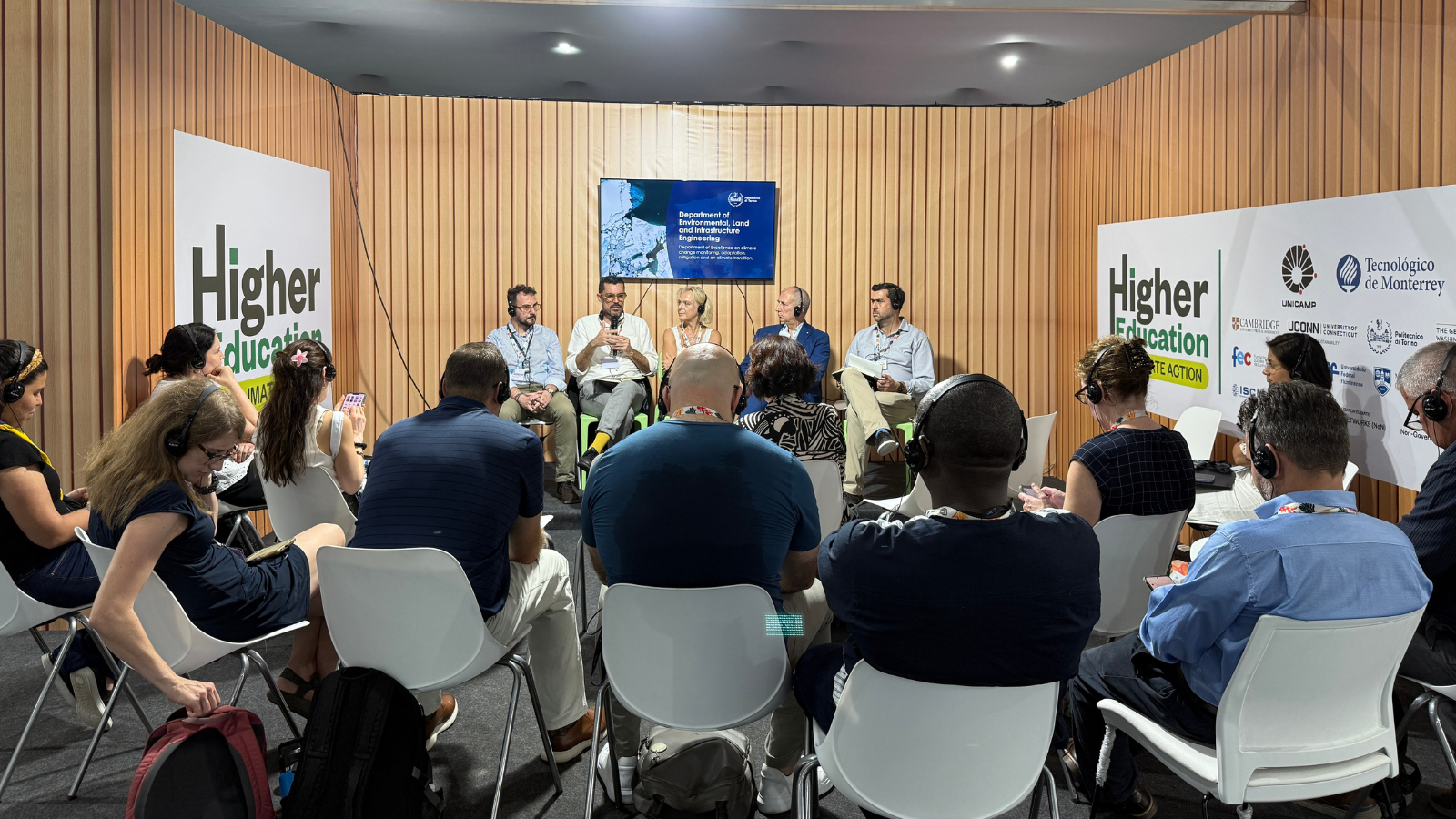
The ISCN LATAM Chapter has played an active role in advancing ISCN’s engagement on the global stage. At COP16, the Chapter hosted a pre-event webinar series bringing together university leaders and sustainability practitioners to explore emerging priorities for higher education in biodiversity. The development of the Cali Charter from Universities for Nature, led by ISCN Senior Fellow, Emilio Latorre, calls for actionable steps to address environmental challenges, and for universities to integrate biodiversity and sustainability more systematically into their operations, governance, and community engagement. At COP30, the Chapter further strengthened its presence by co-hosting the Higher Education for Climate Action Pavilion in the Blue Zone. The Pavilion served as a dedicated convening space for universities, networks, and partners to exchange knowledge, showcase initiatives, and elevate the role of higher education in accelerating climate solutions and driving systems-level change.
With Universidade de São Paulo and Tecnológico de Monterrey taking on these leadership roles, the Chapter is well positioned to further strengthen coordination among member institutions, expand outreach, and deepen collaboration on shared priorities in sustainable campus development and climate action. Their combined leadership brings strong academic expertise and regional reach, supporting a more connected and impactful network.
We are confident that this new phase of leadership will help build on the strong momentum established to date and further enhance the visibility and effectiveness of the ISCN LATAM Chapter.

New ISCN Southeast Asian Chapter Endorsed
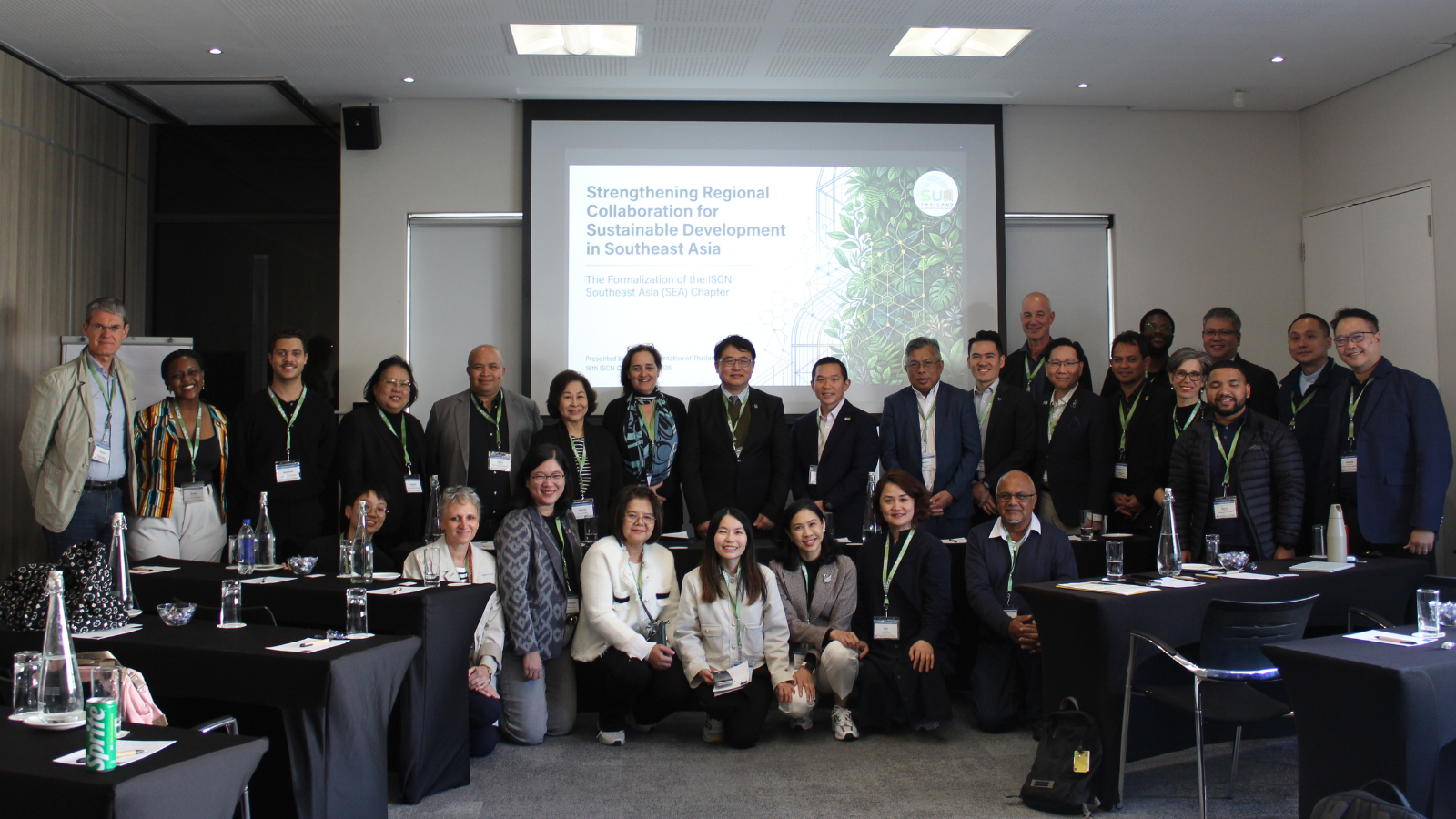
We are delighted to share that the proposal to establish a new ISCN Southeast Asian Chapter has received formal endorsement by the ISCN Board. This marks an important step in strengthening regional collaboration and expanding ISCN’s global network of sustainability-focused higher education institutions.
Led by ISCN members in Thailand (Chulalongkorn University, King Mongkut’s University of Technology Thonburi, Siam University, and Thammasat University), and with support from colleagues in Malaysia (Universiti Kebangsaan Malaysia), Singapore (National University of Singapore), and Vietnam (VinUniversity), this initiative will work to strengthen collaboration in the region. The Sustainable University Network of Thailand (SUN Thailand) also played an instrumental role in supporting this effort, enabling sustained engagement among Thai institutions and providing a platform for alignment across universities.
The idea of creating a new ISCN SEA Chapter was discussed at the 2024 ISCN Conference, where participants identified the need to deepen cooperation across Southeast Asia on sustainable campus development, climate action, and knowledge exchange. The Chapter will provide a platform for institutions in the region—members and non-members—to connect more regularly, share best practices, and collaborate on joint initiatives that advance sustainability in higher education.
In the coming months, we look forward to working closely with our colleagues across Southeast Asia to further develop the Chapter’s structure, priorities, and activities. An in-person regional meeting is expected to be convened in early 2027.
We warmly congratulate all our members involved in bringing this initiative to life and look forward to the Chapter’s continued development.
The University of Melbourne reports mid-cycle progress on Sustainability Plan 2030
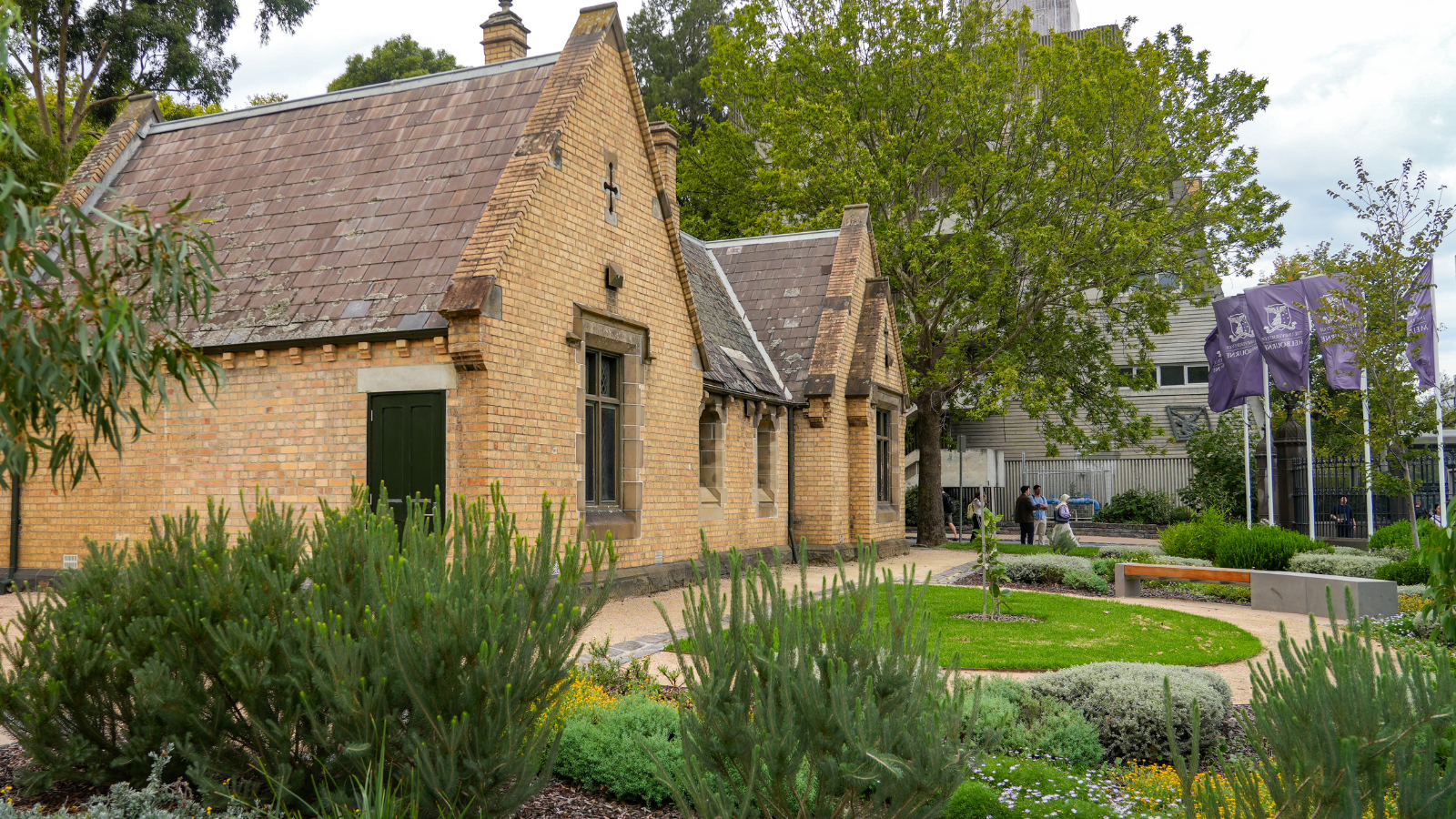
The University of Melbourne has released its 2025 Sustainability Report, providing a mid-cycle assessment of progress towards its sustainability 2030 goals and response to sector-wide challenges.
At the midpoint of the University’s Sustainability Plan 2030, 72% of 2025 targets have been met or partially met, reflecting progress across education, research, and operations. The report highlights both progress and the institutional changes driving it, including improved coordination and a stronger focus on embedding sustainability in core business.
A key operational milestone was carbon-neutral certification for the University’s business operations under the Australian Government’s Climate Active program for 2025. This reflects emissions reductions across the University’s Australian operations and the use of high-quality carbon offsets for residual emissions, in line with its Carbon Offset Procurement Framework and Climate Active standards and guidance.
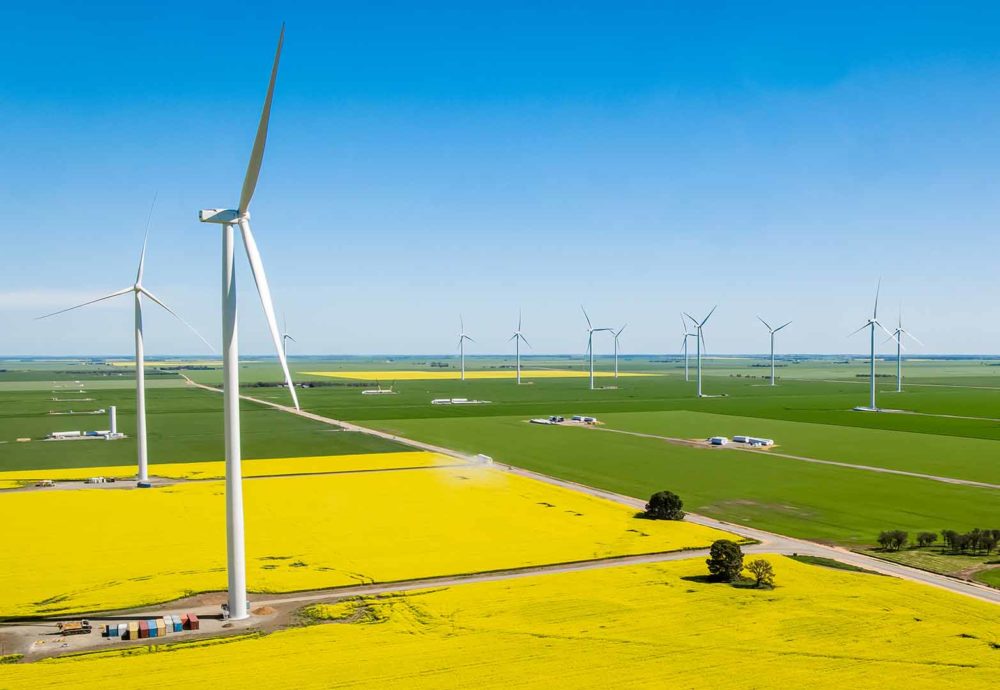
In 2025, the University transitioned to 100% renewable electricity through long-term power purchase agreements, onsite solar generation, and renewable energy certificates.
The University has also appointed sustainability leaders in all nine faculties, strengthening coordination across the institution. Since 2022, 6,398 research outputs have aligned with the UN Sustainable Development Goals (SDGs), and the University’s new research strategy includes an impact accelerator focused on climate sustainability and ecosystem health.
The University awarded 297 Sustainability Advocacy credentials through Melbourne Plus and embedded sustainability into laboratory practice for more than 3,000 first-year Chemistry students.
Alongside this progress, the report identifies several areas requiring further attention. Curriculum-related targets were only partially achieved in 2025, reflecting the challenge of scaling faculty-led initiatives institution-wide.
The report also highlights challenges which are common across the sector, particularly scope 3 emissions. Supply chain emissions remain the University’s largest source, accounting for approximately 67% of operational emissions. In response, emissions considerations are being embedded into procurement to improve data quality and support supplier decarbonisation.
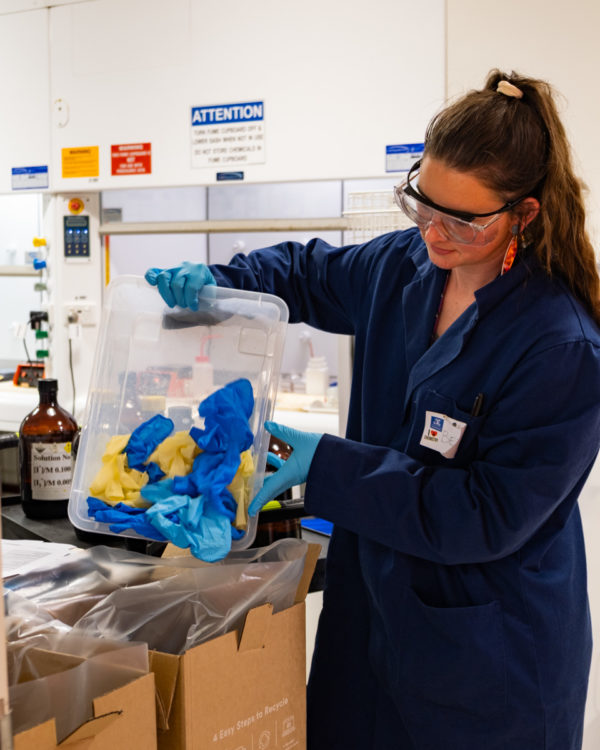
Operationally, progress in areas such as waste and water depends on improvements in measurement, infrastructure, and behaviour. Organics recovery has expanded, diverting approximately 43 tonnes of food waste from 26 retailers on campus, but overall waste-to-landfill remains above target. Limitations in water metering and data quality have also slowed progress, highlighting the importance of foundational data systems.
The University's Vice-President (Administration & Finance) and Chief Operating Officer, Katerina Kapobassis, noted the importance of this midpoint in informing the next phase of work:
"The midpoint of our Sustainability Plan 2030 provides an important opportunity to reflect on our progress. This report shows how we are embedding sustainability across our University. It is central to our Strategy 2030 and our purpose to benefit society — from how we teach and conduct research, to how we manage and operate our campuses, and how we work together with communities and partners."
"While we’ve made strong progress, we know the work is far from finished. The next phase of our Sustainability Plan will ensure we accelerate our efforts and demonstrate our commitment to leading and acting on the critical challenges of worldwide sustainability." — Katerina Kapobassis
The report confirms that the Sustainability Plan will be refreshed this year, enabling recalibration of targets and approaches in response to performance and the evolving external environment.
Read The University of Melbourne’s 2025 Sustainability Report.