

Advancing Sustainability in Fragile Contexts
Date: February 23, 2022
Time:
9-10:15am Eastern Standard Time (UTC-5)
Check the start time in your time zone and download a calendar link for this event.
Details: This is the third of four webinars based on the forthcoming “Bloomsbury Handbook of Sustainability in Higher Education: An Agenda for Transformational Change” edited by Wendy M. Purcell and Janet Haddock-Fraser.
The handbook shows that higher education is essential to transformative change for sustainability and delivery of the Sustainable Development Goals. Part One focuses on sustainability as a driver of change within higher education institutions (HEIs), while Part Two examines how HEIs’ sustainability agenda influences and amplifies change beyond the institution. Cases include Aruba, Belgium, Brazil, Canada, Hong Kong, Japan, Lebanon, Nepal, New Zealand, Nigeria, South Africa, Spain, Uganda, UK, and the USA.
This session will explore how sustainability is advanced by higher education in fragile contexts drawing on the experience and insights from four universities operating in very different contexts.
Speakers at this session are:
- Eric Mijts (University of Aruba)
- Leonardo Fernandes & Andreia Abrahao Sant’Anna (Newton University, Brazil)
- Aram Yeretzian (American University of Beirut, Lebanon)
- Purna Nepali (Kathmandu University, Nepal)
Organised by ISCN and Professor Wendy M. Purcell PhD FRSA, Professor at Rutgers University and Affiliated Research Scientist, Harvard University.
Register now on Zoom. You must have a Zoom account to attend the webinar.
The Bloomsbury Handbook of Sustainability in Higher Education pre-order flyer
Save the date for the final session
Session 4 May 23, 2023, 10:00 Eastern
‘Strategic Sustainability for Change’, featuring authors from Canada, Nigeria, South Africa, and UK


Climate neutrality for universities: invitation to share
Eddi Omrcen, sustainability strategist at University of Gothenburg, is assisting with a student masters thesis project in collaboration with the university’s Environmental Management team.
The goal of the thesis project is to investigate and evaluate opportunities for the University of Gothenburg to become climate neutral, as well as consequences and repercussions that may follow.
- What are the implications for University of Gothenburg if it were to attain climate neutrality?
- What challenges and outcomes would there be for the University of Gothenburg?
The project includes a benchmarking exercise to identify and learn from other universities that are struggling with the same challenge and that have initiated work or processes to become climate neutral.
The results from the thesis will be shared amongst the participating universities and in the ISCN network.
If you are interested to participate and exchange experiences, please email Eddi Omrcen [email protected] with:
- Information and/or documents on your climate targets and ambitions.
- A contact person at your university that is responsible for the process.

ISCN Peer Review Program
A critically important component of developing campus sustainability programs, strategic plans and policies is the engagement and feedback of the institution's core constituents. Less frequently, however, do universities actively seek feedback from other higher education institutions in the form of a peer review process. ISCN members have a wealth of experience and knowledge from which other members would greatly benefit.
We are excited to announce that we are launching the ISCN Peer Review Program for members. This program connects members who are developing sustainability strategic plans, policies, and programs with other ISCN colleagues for review and feedback. The aim is to improve the final product delivered, as well as add further credibility to the process of how the document was developed.
Please email us at [email protected] if you would like to participate in the program or volunteer to be a reviewer.
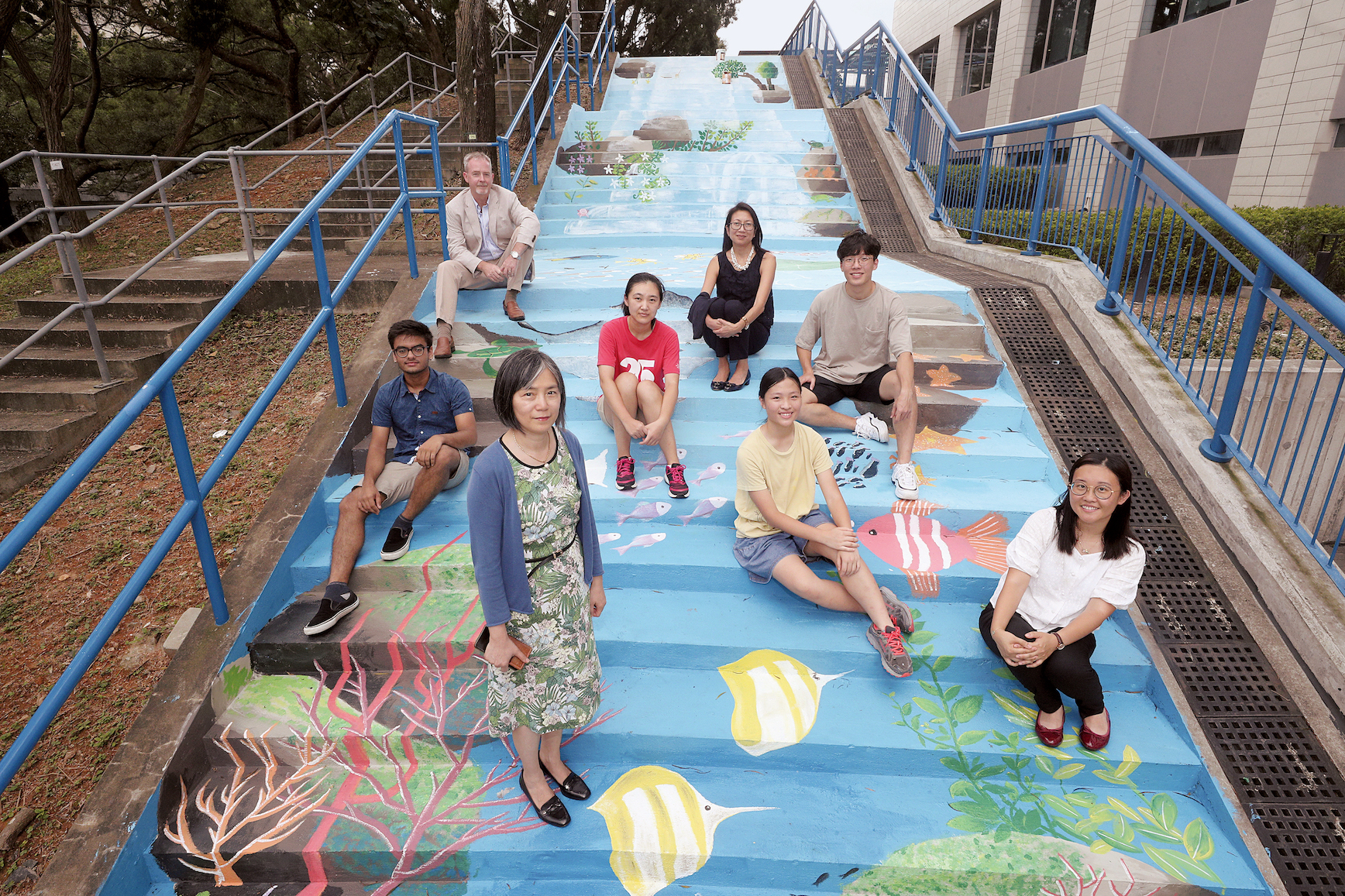
2022 Award winners: HKUST
This series features our 2022 Award winners. This month, we hear from the Hong Kong University of Science and Technology.
What does it mean to you to win the award?
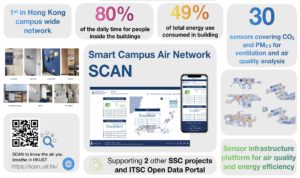
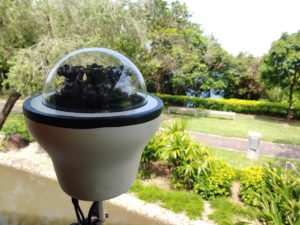
For over a decade the ISCN has been a valuable resource and melting pot for campuses across different geographic and cultural zones to share ideas and make outstanding connections. To win this award is both an honor to the Hong Kong University of Science and Technology as well as a confirmation of our campus as a meaningful member of this society of sustainable campus leaders. We are pleased that the judges recognized our unique campus as a living lab approach, where we combine “Sustainable” with “Smart” elements for funded projects. In addition, our approach recognizes the inherent gap between the theory of academic researchers and the practical hands-on skills of campus professional operations staff. The “Sustainable Smart Campus as a living lab” (SSC) model serves as the bridge between the two groups so the learning and experience gained is a two-way street. We hope that by showcasing our approach to supporting sustainable and smart proof-of-concept projects, the award will open further doors for collaboration with other institutions around the world.
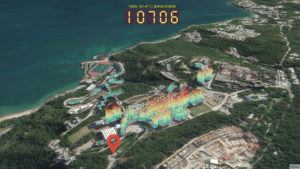
What’s next for the “Sustainable Smart Campus as a living lab” project?
The SSC has now been incorporated into our university’s new strategic plan 2021-208, so we have great confidence that this model will remain one of the top priorities of the HKUST for years to come. Going forward, support will be allocated through priority themes to ensure we are always encouraging our university community to be active contributors to our sustainability goals. For example, coming out of the pandemic, we recognize that many students are struggling with stress and depression. With this in mind, one of our priority themes for funding and support is for projects that address well-being and wellness. While we will continue to focus on broad "Grand Challenges" (e.g., net-zero GHG emissions, biodiversity, zero waste to the landfill) the targeted priority themes will allow us to adjust the program yearly to ensure we are meeting the needs of the campus community.
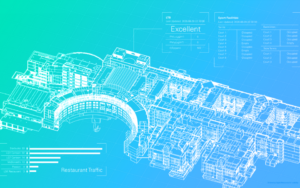
Do you have any advice for others starting on the living lab pathway?
Do not underestimate the positive impact of the living lab pathway. Our program has opened the door for us to create exceptional collaboration between the research teams and our professional operations staff to tackle the campus challenges together. Through the program, we instil a culture of learning from failure and self-initiated changes which is a core value that allowed us to engage faculty and staff from different backgrounds to form interdisciplinary project teams and realize the opportunities to put ideas into action. As time goes by, we found that some faculty have a common ground of interest and their own expertise could leverage each other to create impactful projects reaching the same goal. The living lab concept is not only a platform for systemic funding and support, but a true spirit that lives within us to bring research and innovation to life.
2022 Award winners: Edinburgh
This series features our 2022 Award winners. This month, we hear from The University of Edinburgh.
What does it mean to you to win the award?
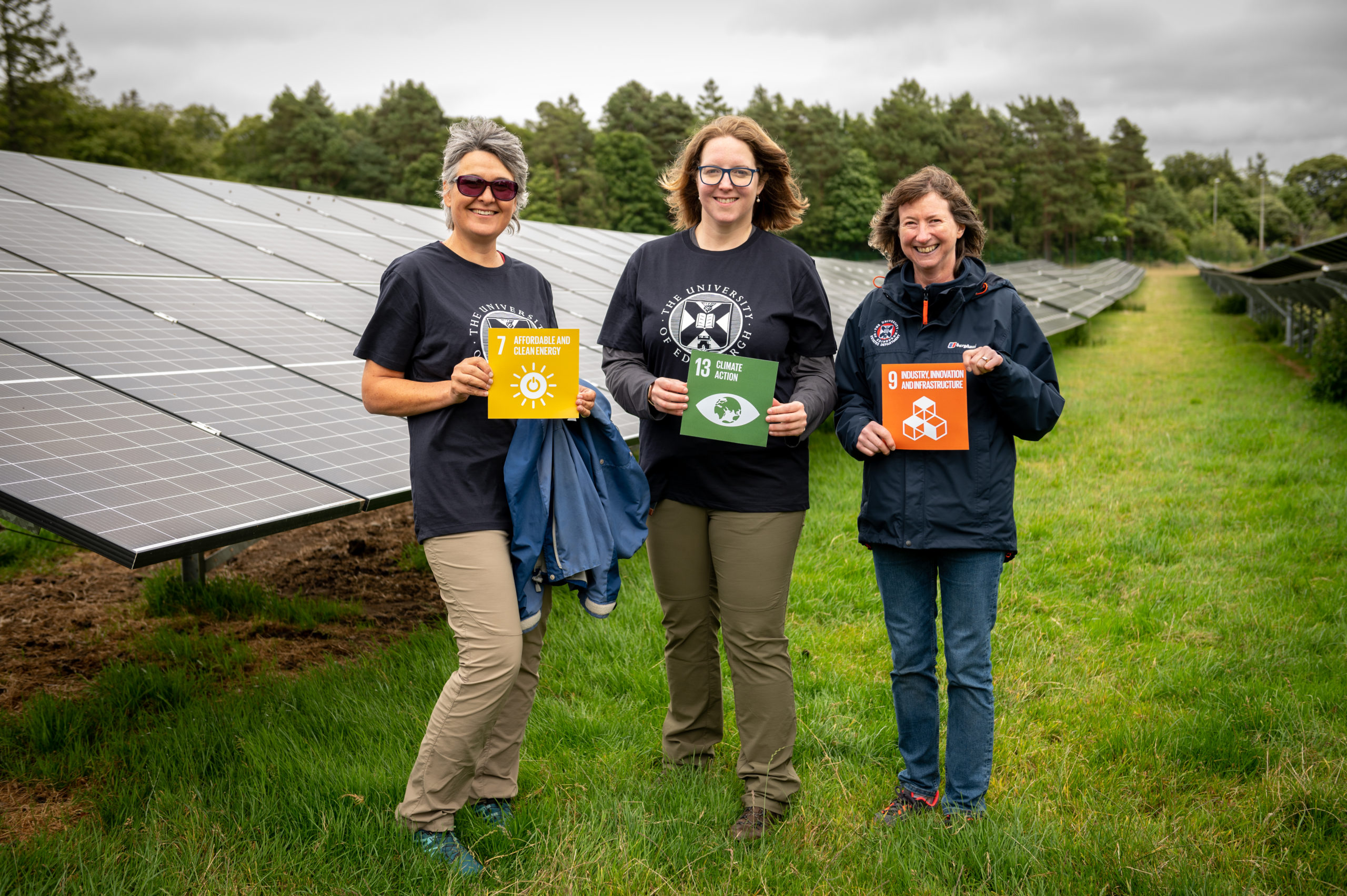
The International Sustainable Campus Award is a fantastic reflection of the hard work and determination of the University of Edinburgh’s community to address the climate and environmental crisis, one of many complex and urgent challenges that the world faces. Students, staff and alumni, contribute towards the University’s vision to make the world a better place, by continuing to innovative, lead and deliver positive environmental and social change, both locally and globally, through our academic research, education, operations and partnerships.
What’s next for your project: “Whole Institution Approach to Addressing the Climate Crisis”?
The climate and environmental crisis is a key part of the University’s social and civic responsibility commitment. We are widening our climate focus to include more action on biodiversity, resources and the circular economy. We will continue to work to embed these issues further in the curriculum and experience of both staff and students, to create the tools, information and skills for the whole University community to innovate for social good, and to examine creative ways to use our buildings, our knowledge and skills, our procurements, our investments, and our reputation to support the Edinburgh city and wider region deliver positive environmental and social change.
We are committed to tackling climate change across all of our activities – this includes how we operate our estate, what we buy and invest in, the teaching and research we undertake and our partnerships. Our commitments include our confirmed plans to sequester more than one million tonnes of carbon dioxide, our continued funding of socially positive investments and the launch of the Edinburgh Earth Initiative in 2021.
Do you have any advice for those working on a “Whole Systems Approach”?
A successful “Whole Systems Approach” requires a clear vision and shared ownership across the University community and partners. A shared purpose will help embed commitments across all of University life as much as possible and deliver multiple benefits for colleagues and the institution. It is important to provide staff and students with the skills and understanding of climate and environmental issues, empowering them to embed these issues in decision making and to take action to deliver positive impact.
For more information on The University of Edinburgh's work see their Social and Civic Responsibility Report 2020-21.

EPFLeaders4impact – A new postdoctoral fellowship programme for the next generation of sustainable science leaders
3rd call for the EPFLeaders4impact programme (deadline 1 March 2023) providing grants to postdoctoral researchers working on innovative solutions to global challenges.
EPFLeaders4impact is a new postdoctoral fellowship programme funding talented researchers who have the ambition to provide innovative solutions to the United Nations Sustainable Development Goals.
EPFLeaders4impact fellows will be able to take steps towards starting a company based on their own research or to have their proposed innovative solution implemented through a technology transfer to an existing company/organisation.
EPFLeaders4impact has received funding from the European Union’s Horizon 2020 research and innovation programme under the Marie Skłodowska-Curie grant agreement No 101034260.
What: 12, 18, 24, or 36-month postdoctoral fellowships. The EPFLeaders4impact fellowship consists of a monthly contribution to the salary of the postdoctoral researcher of EUR 2’740. The remaining part of the salary as well as associated costs are covered by the EPFL hosting laboratory.
Where: research funded by the EPFLeaders4impact programme must be conducted at one of the EPFL campuses in Lausanne, Geneva, Neuchâtel, Valais, or Fribourg.
Eligibility:
- Applicants must be Experienced Researchers (ER); they must hold a doctoral degree or have at least 4 years of full-time equivalent research experience by at the latest the date of recruitment.
- Applicants must fulfil the MSCA transnational mobility rules and must not have resided or carried out their main activity (work, studies, etc.) in Switzerland for more than 12 months in the 3 years immediately before the call deadline.
- Applicants must be able to carry out full-time research during the fellowship period. Parental leave, sick leave, care leave, and military leave are nevertheless permitted.
Application deadline: 1 March 2023 (17:00 CEST)
Start of the fellowship: at the earliest: 1 July 2023, at the latest: 1 November 2023
Current fellows and their projects: here
More details: please, visit the EPFLeaders4impact website
Contact: [email protected]
2nd Malaysia Sustainable University Network National Conference
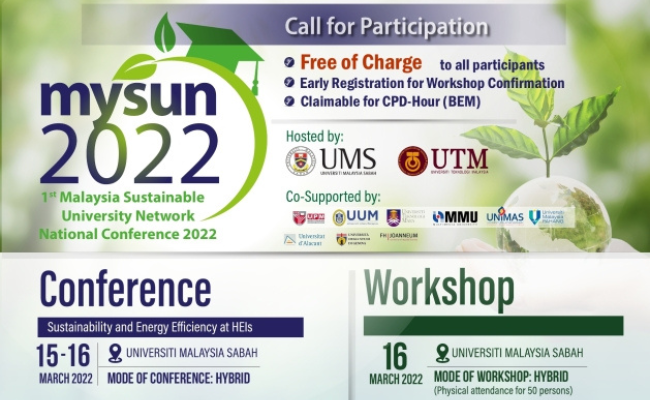
The MYSUN project and network are happy to announce the 2nd Malaysia Sustainable University Network National Conference (#mysun2022) and accompanying workshop, on 6th – 7th December, 2022. The conference and workshop are hosted by Universiti Putra Malaysia (UPM), together with other MySUN Partners in Malaysia and EU.
This conference aims to attract researchers, scholars, engineers, technologists, and students from universities and industries throughout the world, especially in any related to engineering, social sciences, climate and disaster resilience related to sustainability pillars. The conference would provide opportunities for delegates to exchange ideas and research experiences and to establish research collaborations with global partners.
This Conference and Workshop is FREE of CHARGE (FoC) for all categories, thus allow early registration throughout the opportunity networking among MySUN partners and other stakeholders in Malaysia.
All abstract submissions will be blind reviewed by the Technical Review Committee based on technical quality, relevance to conference topics of interest, originality, significance and clarity. The accepted abstract will be published in Conference Proceedings with the e-ISSN registration.
Topics of interest for abstract submission include, but are not limited to:
- Net-Zero
- Energy Management
- Waste Management
- Cooling Technology
- Alternative Energy
- Energy Communities
- Transportation
- Environmental Monitoring
- Campus Management and Community Engagement
- Campus Governance
- Education For Sustainability
For more information, including important dates and contact details:
Press Release: Research and university communities united to tackle global climate challenges
JOINT PRESS RELEASE
Brussels, 3 November 2022
Ahead of COP27, research and university organisations join forces to renew the call for collective, common global efforts for climate action, launched last year.
The European association of leading universities of science and technology (CESAER), the European University Association (EUA), the International Sustainable Campus Network (ISCN), Science Europe, the Network of Universities in Capitals (UNICA), the University of Strathclyde in Glasgow the city hosting COP26, gathered to mobilise their expertise and call for cooperation in urgent climate actions.
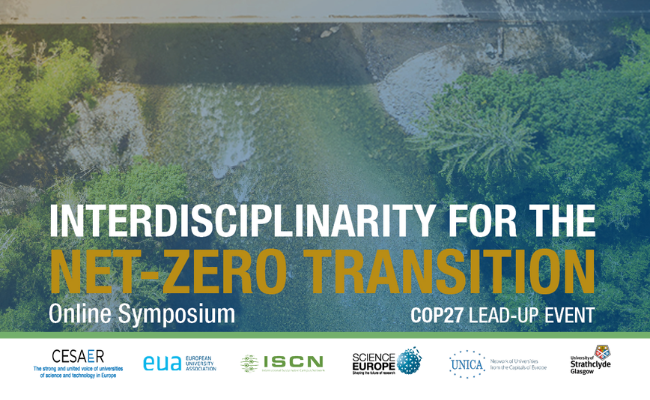
Today’s online symposium on “Interdisciplinarity for the Net-Zero Transition”, a lead-up event to COP27, was an opportunity for the six organisations to present their commitment for climate action, share good practice, concrete examples, and call for the mobilisation of research and higher education communities. In 2021, CESAER, ISCN, Science Europe and the University of Strathclyde, in the city of Glasgow which hosted COP26, launched a Call to Action for research performing and funding organisations and universities regarding the Net-Zero Transition. This year, EUA and UNICA joined the four partners in co-organising the COP27 lead-up symposium focused on “interdisciplinarity”.
Universities and research performing and funding organisations are key contributors to the global Net-Zero Transition effort in reducing their energy consumption and, most importantly, providing new insights into challenges, as well as solutions, including ‘green’ technologies and societal innovations. The climate crisis has multiple causes but only collective efforts and action, embedding whole-systems approaches will address and mitigate it effectively. Innovative and scientifically rigorous methods for estimating and mitigating increases in greenhouse gas and harmful emissions are needed to enable a more effective, robust and concentrated effort with resources being enabled for long-term investments to expedite the Net-Zero Transition.
“With our commitment for the Net-Zero Transition, together with partners from the research and university systems, we want to mobilise policymakers and societal stakeholders in a collective effort for the most pressing challenge of our time: climate change,” declared Professor Rik Van de Walle, President of CESAER.
“European universities are committed to responding to societal concerns about the climate crisis, including by tailoring our educational offerings to ensure maximum impact through our graduates. The efforts and reforms we are seeing on the part of universities are informed by the demands of our students and engagement with our local communities, two drivers that are just as meaningful for climate action as regulations or targets for specific industries” declared Michael Murphy, President of EUA.
“The Net-Zero Transition is needed now, more than ever. The energy crisis, the war in Ukraine, and the lingering effects of COVID are all striking and dramatic revelations of the interconnectedness of our world, of which climate and sustainability are the ultimate examples. We are therefore committed to promoting international collaboration and working to build bridges between our institutions, to deepen our impact and accelerate our efforts toward realizing the Net-Zero Transition,” stated Professor Gisou van der Goot, President of ISCN.
“Interdisciplinary research is not a new concept: we know we need to further mobilise all disciplines and organisations to tackle the climate crisis. We have just published a report with the experiences of Science Europe members. We need to scale up these efforts and work together involving all disciplines, research partners and societal stakeholders,” stated Angelika Kalt, Vice-President of Science Europe.
“UNICA universities have the unique privilege of being in capital cities, which gives them the ability and the responsibility to influence European and government policies on the crucial challenges affecting our societies and our planet. We are determined to build on this specificity by encouraging our members to harness their academic research, innovative grit, and heterogeneous communities to impact policies in the direction of a green transition. We are committed to reach a sustainable future,” said Professor Luciano Saso, President of UNICA.
“We share a vision of a world where research and education communities work together to solve urgent global challenges and believe that research and education will underpin a sustainable relationship between the use and preservation of natural resources, and human activity,” said Professor Sir Jim McDonald, Principal and Vice-Chancellor of the University of Strathclyde in Glasgow (UK).
The organisers propose a systemic approach where universities, national research performing organisations and research funding organisations shall work together, involving policymakers, business sectors, and non-government organisations, in Europe and globally.
-------
Further information
Call To Action to Research Organisations for the Net-Zero Transition (pdf)
Press contact
Valentina Garoia, Science Europe Communications Manager
Email: [email protected]
Tel.: + 32 (0)2 226 03 06
Organisers
CESAER is the European association of leading specialised and comprehensive universities of science and technology that: champion excellence in higher education, training, research, and innovation; influence debate; contribute to the realisation of open knowledge societies; and deliver significant scientific, social, economic, and societal impact.
European University Association (EUA) represents more than 850 universities and national rectors’ conferences in 49 European countries. EUA plays a crucial role in the Bologna Process and in influencing EU policies on higher education, research, and innovation. Through continuous interaction with a range of other European and international organisations, EUA ensures that the independent voice of European universities is heard.
International Sustainable Campus Network (ISCN) is a global network of 100 universities in over 30 countries. The mission of the network is to provide an international forum to support higher education institutions in the exchange of information, ideas, and best practices for achieving sustainable campus operations and integrating sustainability in research and teaching.
Science Europe is the association representing 40 public research funding and performing organisations across 30 European countries. It brings together the scientific expertise of its members to push the frontiers of how scientific research is produced and delivers benefits to society. It advocates science and the scientific community to help build the European Research Area.
UNICA is an institutional Network of Universities from the Capitals of Europe. It is currently made up of 56 universities from 41 capital cities of Europe. UNICA seeks to facilitate international collaborations and promote academic leadership through understanding and sharing between its Members throughout the European Higher Education Area. UNICA articulates the views of Member Universities to European institutions, to national, regional, and municipal governments, and internationally.
University of Strathclyde is a leading international technological university based in Glasgow, UK. Inspired by the founding principle ‘a place of useful learning’, its mission is to make a positive difference to the lives of its students, to society and to the world. It is a member of CESAER and ISCN and works closely with government, industry and NGO partners on the Net-Zero Transition.

TASK by Sulitest
We are partnering with Sulitest in #ChangingEducation
TASK™ – The Assessment of Sustainability Knowledge – is a radical new online certificate! By taking TASK, you
🎓 incite universities to accelerate education for sustainability
💼 show recruiters sustainability is important for you
🚀 raise the bar of sustainability knowledge worldwide
To make TASK a success, Sulitest needs volunteers to join the TASK Pilot during October 31 - November 18, 2022
Sign up here: bit.ly/task-pilot
By joining the pilot, you will
🎉 Receive a voucher in Spring 2023 to complete the official TASK™ certificate once launched
🙌 Be recognised with a TASK™ Pilot Study Participation Recognition that can be used to communicate your key role in developing this international
standard
📚Prepare for the official TASK™ since the pilot will have the same shape as the future assessment
#TASKbySulitest #ChangingEducation #ChangeEducation

Student Leadership, Community & Entrepreneurship for Sustainability
Webinar for ISCN Members only or by invitation
Date: November 29, 2022
Time:
9-10am Eastern Standard Time (UTC-5)
Check the start time in your time zone and download a calendar link for this event.
Details: This is the second of four webinars based on the forthcoming “Bloomsbury Handbook of Sustainability in Higher Education: An Agenda for Transformational Change” edited by Wendy M. Purcell and Janet Haddock-Fraser.
The handbook shows that higher education is essential to transformative change for sustainability and delivery of the Sustainable Development Goals. Part One focuses on sustainability as a driver of change within higher education institutions (HEIs), while Part Two examines how HEIs’ sustainability agenda influences and amplifies change beyond the institution. Cases include Aruba, Belgium, Brazil, Canada, Hong Kong, Japan, Lebanon, Nepal, New Zealand, Nigeria, South Africa, Spain, Uganda, UK, and the USA.
This session will focus on students and ways in which three different higher education institutions have worked to create transformative learning communities, develop global leadership by experiential learning, and drive entrepreneurship for green innovation. Speakers at this session are:
- Jan Beyne (Antwerp Management School, Belgium)
- Sally Randles and Helen Wadham (Manchester Metropolitan University, UK)
- Frederick Kakembo, (Ndejje University, Uganda)
Organised by ISCN and Dr. Wendy M. Purcell PhD FRSA, Academic Research Scholar, Harvard T.H. Chan School of Public Health.
Register now on Zoom
The Bloomsbury Handbook of Sustainability in Higher Education pre-order flyer
Save the date for future sessions
Session 3 February 23, 2023, 09:00 Eastern
‘Advancing Sustainability in Fragile Contexts’, featuring authors from Aruba, Brazil, Lebanon, and Nepal
Session 4 May 23, 2023, 10:00 Eastern
‘Strategic Sustainability for Change’, featuring authors from Canada, Nigeria, South Africa, and UK