
The University of Melbourne reports mid-cycle progress on Sustainability Plan 2030
The University of Melbourne has released its 2025 Sustainability Report, providing a mid-cycle assessment of progress towards its sustainability 2030 goals and response to sector-wide challenges.
At the midpoint of the University’s Sustainability Plan 2030, 72% of 2025 targets have been met or partially met, reflecting progress across education, research, and operations. The report highlights both progress and the institutional changes driving it, including improved coordination and a stronger focus on embedding sustainability in core business.
A key operational milestone was carbon-neutral certification for the University’s business operations under the Australian Government’s Climate Active program for 2025. This reflects emissions reductions across the University’s Australian operations and the use of high-quality carbon offsets for residual emissions, in line with its Carbon Offset Procurement Framework and Climate Active standards and guidance.
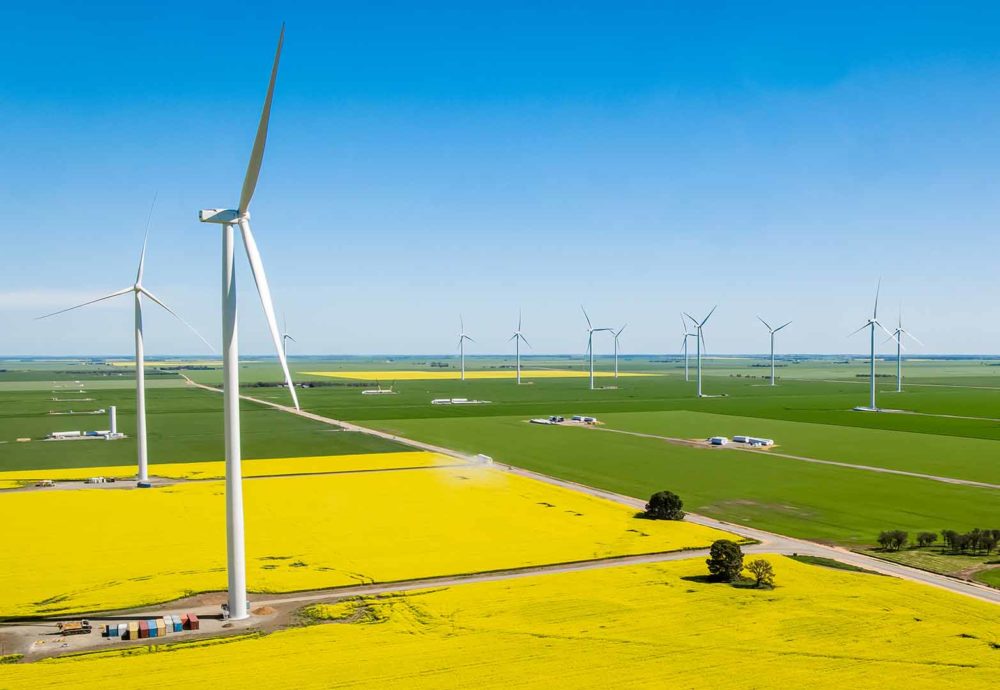
In 2025, the University transitioned to 100% renewable electricity through long-term power purchase agreements, onsite solar generation, and renewable energy certificates.
The University has also appointed sustainability leaders in all nine faculties, strengthening coordination across the institution. Since 2022, 6,398 research outputs have aligned with the UN Sustainable Development Goals (SDGs), and the University’s new research strategy includes an impact accelerator focused on climate sustainability and ecosystem health.
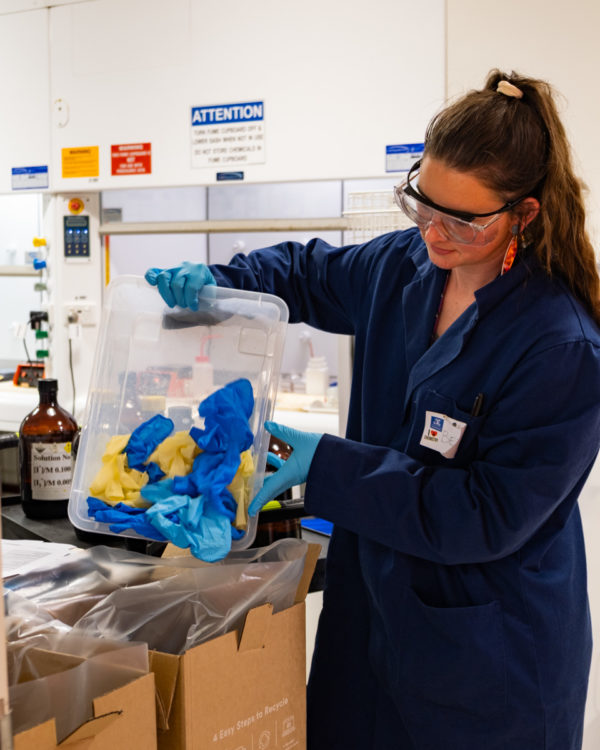
The University awarded 297 Sustainability Advocacy credentials through Melbourne Plus and embedded sustainability into laboratory practice for more than 3,000 first-year Chemistry students.
Alongside this progress, the report identifies several areas requiring further attention. Curriculum-related targets were only partially achieved in 2025, reflecting the challenge of scaling faculty-led initiatives institution-wide.
The report also highlights challenges which are common across the sector, particularly scope 3 emissions. Supply chain emissions remain the University’s largest source, accounting for approximately 67% of operational emissions. In response, emissions considerations are being embedded into procurement to improve data quality and support supplier decarbonisation.
Operationally, progress in areas such as waste and water depends on improvements in measurement, infrastructure, and behaviour. Organics recovery has expanded, diverting approximately 43 tonnes of food waste from 26 retailers on campus, but overall waste-to-landfill remains above target. Limitations in water metering and data quality have also slowed progress, highlighting the importance of foundational data systems.
The University’s Vice-President (Administration & Finance) and Chief Operating Officer, Katerina Kapobassis, noted the importance of this midpoint in informing the next phase of work:
“The midpoint of our Sustainability Plan 2030 provides an important opportunity to reflect on our progress. This report shows how we are embedding sustainability across our University. It is central to our Strategy 2030 and our purpose to benefit society — from how we teach and conduct research, to how we manage and operate our campuses, and how we work together with communities and partners.”
“While we’ve made strong progress, we know the work is far from finished. The next phase of our Sustainability Plan will ensure we accelerate our efforts and demonstrate our commitment to leading and acting on the critical challenges of worldwide sustainability.” — Katerina Kapobassis
The report confirms that the Sustainability Plan will be refreshed this year, enabling recalibration of targets and approaches in response to performance and the evolving external environment.
Read The University of Melbourne’s 2025 Sustainability Report.