A Milestone for Collaboration: The Higher Education for Climate Action Pavilion at COP30
As the world convened in Belém for the 30th Conference of the Parties (COP30) to the United Nations Framework Convention on Climate Change (UNFCCC), the spotlight was not only on global climate negotiations but also on the transformative role of higher education in shaping climate solutions. The International Sustainable Campus Network (ISCN) served as one of the core organizers of the Higher Education for Climate Action Pavilion, a collaborative initiative highlighting the role of higher education in global climate action.
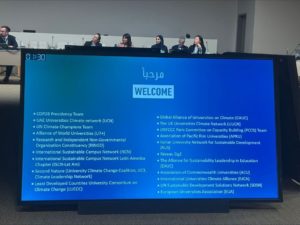
Developed through close collaboration among ISCN Latin American Chapter members, the Research and Independent Non-Governmental Organizations (RINGO) Constituency to the UNFCCC, the Higher Education Climate Network of Networks, and a coalition of global partners, the Pavilion was designed to elevate the critical contributions of higher education while strengthening representation from institutions—particularly those in Latin America and the Global South.
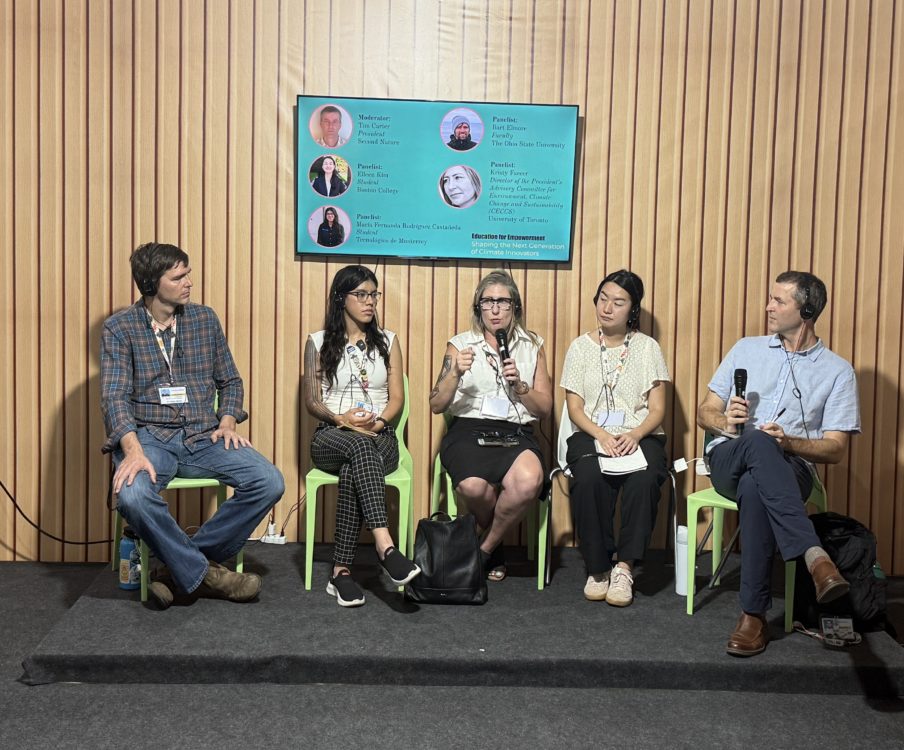
Across two weeks, the Pavilion became a dynamic hub for interdisciplinary dialogue, bringing together universities, researchers, and practitioners to showcase climate innovation, share lessons from campus-based action, and advance the role of higher education institutions as drivers of transformative change. Cross-regional sessions, collaborative workshops, and solution-focused discussions highlighted the increasing importance of academic networks working collectively to meet the accelerating demands of climate mitigation, adaptation, and climate communication. The impact of this joint effort extends beyond COP30, strengthening alliances and setting a new precedent for coordinated higher-education engagement on the international stage.
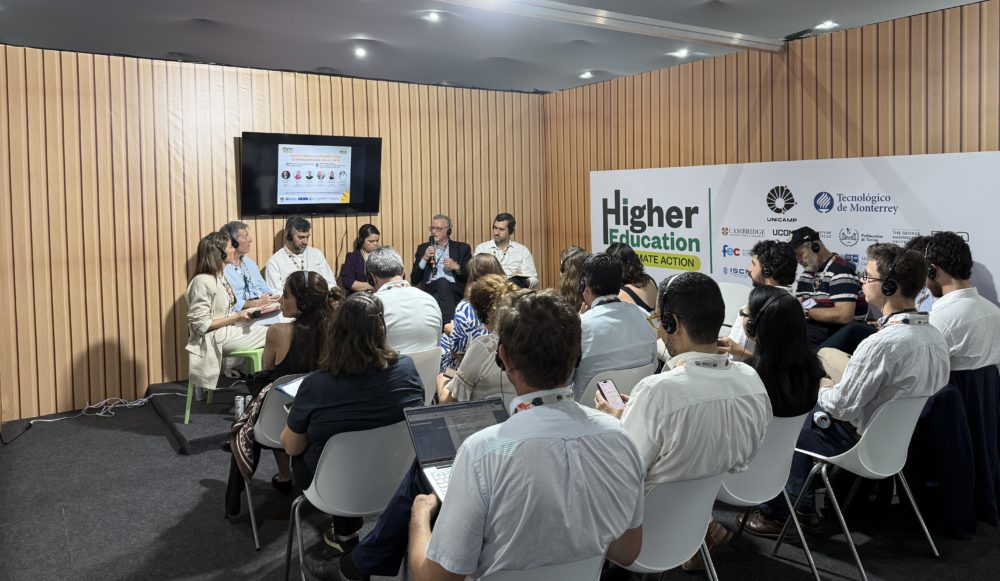
We extend our sincere appreciation to the Pavilion’s key sponsors and organizing partners, whose leadership and commitment made this initiative possible. In particular, we acknowledge the essential contributions of our colleagues at Universidade Estadual de Campinas (Unicamp) and Tecnológico de Monterrey, whose dedication and coordination were instrumental in shaping and championing the Pavilion. Their partnership and support were integral to the success of this effort.
The reflections shared by Paola Visconti, Director of Sustainability and Social Impact, and Valeria Soto, Lead of Sustainability and Climate Action Projects at Tecnológico de Monterrey, capture the collective spirit and impact of this milestone initiative:
"For us at Tecnológico de Monterrey, the Higher Education for Climate Action Pavilion was one of the most inspiring outcomes of COP30, as it stood out as an example of what collective effort can achieve. Over ten days in Belém, Brazil, the Pavilion served as a dedicated global space to showcase the essential role universities play in driving climate action and sustainable development, while intentionally amplifying the voices and leadership of Latin American institutions.
This initiative was only possible thanks to a remarkable collaborative effort: 16 sponsors came together to support the space, 58 events were delivered, and more than 50 universities from around the world contributed their knowledge, innovations, and commitment. The Pavilion demonstrated not just the power of higher education, but the power of networks working together toward a shared climate agenda.
We want to give a special recognition to the teams that worked throughout 2025 to make this project possible: Roberto Donato, Thalita Dalbelo, Patricia Nunes and Thyago Lins from University of Campinas (Unicamp), Robert Orttung from George Washington University, Victoria Smith and Pato Gonzalez-Marquez from the International Sustainable Campus Network (ISCN), Stephen Davison and Kristy Faccer from the Higher Education Climate Network of Networks, and Beth Martin from the Research and Independent Non-Governmental Organizations (RINGO) Constituency to the UNFCCC."
Looking ahead, ISCN remains committed to strengthening collaboration across global higher education networks and ensuring that universities continue to play an influential and solutions-driven role within the UNFCCC process. The success of the Pavilion at COP30 demonstrates what is possible when institutions work collectively toward shared goals, and it provides a strong foundation for continued joint action in the lead-up to COP31 and beyond.
Pavilion Sponsors
The Pavilion was possible due to the collaboration and support of:
Universidade Estadual de Campinas (Unicamp)
Tecnológico de Monterrey
Cambridge University Press and Assessment
University of Connecticut
Politecnico di Torino
The George Washington University
Universidade de São Paulo
Fundação Euclides da Cunha
Universidade Estadual Paulista
Universidade Federal Fluminense
Middlebury College
Emory University
International Sustainable Campus Network Latin American Chapter (ISCN-LATAM)
Rede Brasileira de Instituições de Ensino Superior para o Desenvolvimento Sustentável (UniSustentável)
The Higher Education Climate Network of Networks (NoN)
Research and Independent Non-Governmental Organizations (RINGO) Constituency to the UN Framework Convention on Climate Change (UNFCCC)

Expression of Interest: Host the 2028 ISCN Conference
We are inviting members to submit an expression of interest to host the 2028 ISCN conference.
Stage 1 - Pre-Screen
The initial stage is a simple Expression of Interest (EOI) to determine which members are interested in hosting the conference prior to initiating the full application process.
Requirements
- ISCN member
EOI Submission
If interested, please complete this very short Expression of Interest form by Friday, November 21, 2025.
Stage 2 - Full Application
Shortlisted candidates will be asked to complete an application with more detailed questions.
Host Requirements
- Commitment from senior leadership of the institution to host the conference
- Institution has experience in hosting an international conference (of 100-150 people or larger)
- Identified coordinator who is responsible for conference planning and management
- Support team with financial and in-kind resources necessary to manage the conference process
- representative of the university will attend 2026 ISCN Conference in Cape Town
Preferred
- A representative of the university has attended an ISCN conference
- A senior university leader who will act as conference chair
- Venues and facilities that exemplify sustainability principles and design
- A plan to incorporate innovative conference design and delivery methods
Roles and Responsibilities (to be confirmed with the selected host)
ISCN is responsible for:
- Overall conference planning framework
- Website
- Registration
- Budget
Conference hosts are responsible for:
- Venues
- Catering
- Planning local tours and events
- Cultural programming
- Transportation (if required)
- Audio visual and IT support
- Other logistics
ISCN and hosts to collaborate on:
- Keynote speakers
- Sponsorships
- Program development
- Engagement with external partners
Process and Timeline
2025
November
- Pre-screen submission deadline: Friday, November 21, 2025
December
- Review and evaluation by ISCN Secretariat and Advisory Committee
- Shortlisted candidates contacted for more detailed submission
2026
February
- Full submissions deadline: Friday, February 6, 2026
- Final decision by ISCN Board
- Successful applicant advised
April
- Announcement of 2028 ISCN Conference Host at the 18th ISCN Conference in Cape Town
June
- Conference planning kick-off


Universidad y Biodiversidad (Seminaro virtual en Español)
More information on the ISCN LATAM website.

UBC Micro-certificate in Climate Action Planning
The importance of climate action is being increasingly recognized. Around the world, we're moving towards the whole-of-society shared responsibility that has for so long been identified as the scale needed. And with greater levels of adoption comes a greater demand for the climate change action and planning skills necessary to drive implementation.
The UBC Micro-certificate in Climate Action Planning: Foundations, Finance and Implementation is a part-time, online credential that equips you with the knowledge and tools to start creating a customized plan to achieve your organization’s or community’s climate action mandate. Use your sphere of influence to work towards the achievement of emissions reductions targets at national, provincial and local levels.
Developed by a team of faculty and experts associated with UBC’s Institute for Resources, Environment and Sustainability, Sustainability Hub and Campus + Community Planning, and made possible by funding from UBC's Continuous Learning and Advancement Fund and the Pacific Institute for Climate Solutions, the UBC Micro-certificate in Climate Action Planning: Foundations, Finance and Implementation is designed to help policymakers, planners and industry players gain the knowledge, skills and tools to put into practice.
In 50 hours of virtual classes and study over 12 weeks, gain an in-depth understanding of key elements of a successful climate action plan, including mitigation and adaptation strategies to help us meet the Emissions Reduction Plan and Government of Canada Adaptation Action Plan targets, the critical need for climate justice and equity, and financial implications and opportunities. Through action-oriented lectures, readings and practical activities, develop the skills to take on a crucial role in today’s world.
The Fall 2024 cohort will receive instruction from experts with extensive experience in designing a climate plan for policymakers, industry and community organizations including:
- Sara Elder, PhD is a senior policy advisor, International Institute for Sustainable Development (IISD) and an Adjunct Professor at the Institute for Resources, Environment and Sustainability at UBC.
- Eric Mazzi, PhD, is a consultant and educator focusing on technology and policy for industrial and commercial demand-side energy systems. He provides technical analysis, measurement & verification (M&V), policy studies, and educational services.
- Milind Kandlikar, PhD, is Professor (and past Director) at the Institute for Resources, Environment and Sustainability, with a cross-appointment at the School of Public Policy and Global Affairs at UBC.
- John Madden is Director of Sustainability and Engineering for Campus + Community Planning at UBC.
Ready to integrate climate action for policymakers, industry players and planners into your career? Register today or learn more at our info session on July 24 from 12-1pm Pacific Time.

Expression of Interest: Host the 2026 ISCN Conference
We are inviting members to submit an expression of interest to host the 2026 ISCN conference. Submissions due Friday, September 27, 2024.
Host Requirements
- ISCN member
- Commitment from senior leadership of the institution to host the conference
- Institution has experience in hosting an international conference (of 100-150 people or larger)
- Identified coordinator who is responsible for conference planning and management
- Support team with financial and in-kind resources necessary to manage the conference process
Preferred
- A representative of the university has attended an ISCN conference
- A senior university leader who will act as conference chair
- Venues and facilities that exemplify sustainability principles and design
- A plan to incorporate innovative conference design and delivery methods
Roles and Responsibilities (to be confirmed with the selected host)
ISCN is responsible for:
- Overall conference planning framework
- Website
- Registration
- Main program development
- Budget
Conference hosts are responsible for:
- Venues
- Catering
- Planning local tours and events
- Cultural programming
- Transportation (if required)
- Audio visual and IT support
- Other logistics
ISCN and hosts to collaborate on:
- Keynote speakers
- Sponsorships
- Session design
- Engagement with external partners
Process and Timeline
2024
September: Submission deadline
October:
- Review and evaluation by ISCN Secretariat (clarification requested as needed)
- Shortlist candidates for more detailed discussion
November: Final decision by ISCN Board
December: Conference Host for 2026 announced
2025
January: Conference planning kickoff and timeline with key milestones confirmed
2026
June: 18th ISCN Conference
EOI Submission
If interested, please complete the Expression of Interest form by no later than Friday, September 27, 2024.
Pathways to Carbon Neutrality: UC Chile Climate Action Strategy
The current global climate crisis, in which global warming is on the verge of exceeding the 1.5°C threshold this century, necessitates immediate action. In this urgent context, UC Chile joined the global challenge of halting the progress of climate change, committing to become a carbon-neutral university by 2038, coinciding with its 150th anniversary and advancing 12 years ahead of the national target planned for the year 2050.

Since 2020, extensive work has been carried out in 10 thematic areas with the participation of academics, administrative staff, and students, guided by coordinators and the UC Climate Action Council, with the aim of developing the UC Climate Action Strategy presented in 2023.
"We know that significant solutions must primarily come from high-level political decisions, but we also understand that every effort counts. UC Chile's commitment to reducing pollution is creating a new culture within the university and, most importantly, a culture that impacts society as a whole."
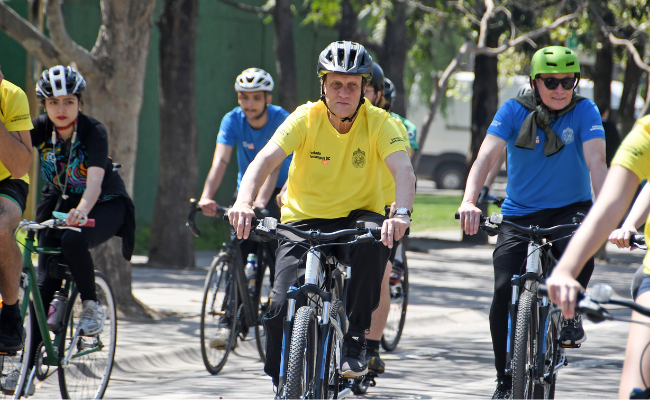
UC Chile Rector Ignacio Sánchez (pictured above in yellow)
To guide the strategy development process, the university created a Climate Action Council, which includes directors of management units, research centers, academics, and students. This council has the responsibility to monitor progress and guide next steps in finding new solutions to reduce institutional carbon emissions.
The Strategy encompasses the implementation of 18 projects related to energy and construction, transportation and travel, water and biodiversity, waste, education, research, and culture. While the main objective is to achieve carbon neutrality, the university decided to incorporate components of adaptation and resilience, as well as aspects of education, research, and culture inherent to a higher education institution.
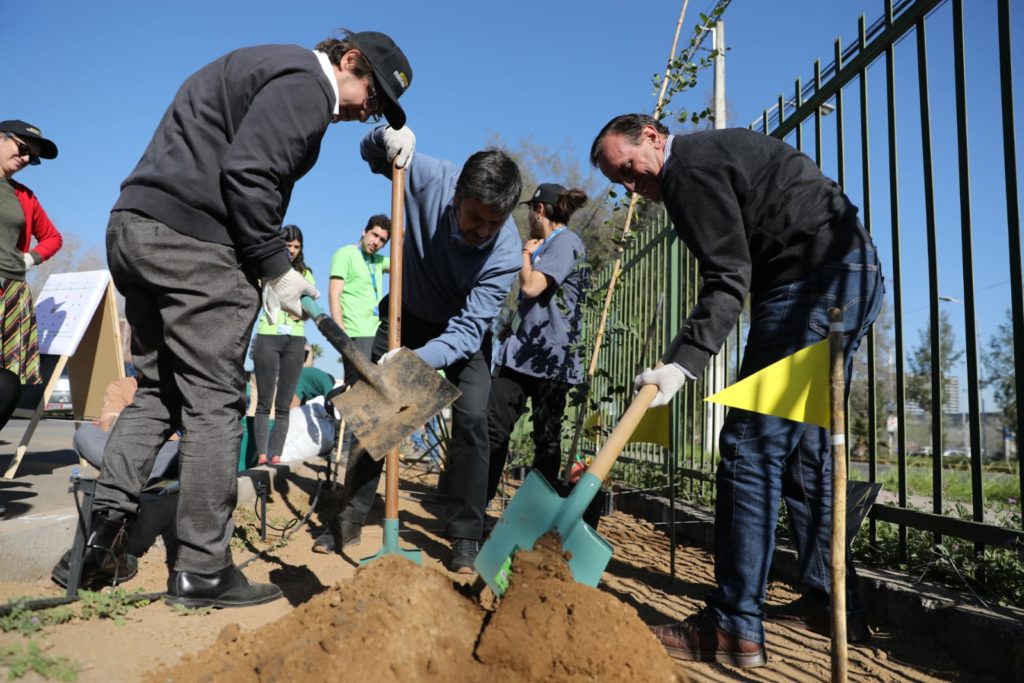
Several projects have been implemented, such as the creation of a new energy management system and initiatives to promote electromobility. Soon, a competition for energy efficiency for administrative and academic units will be launched. Throughout 2022 and 2023, participatory forestations were held on the San Joaquín campus, the largest campus at UC Chile and visited by over 30,000 people daily. Six hundred members of the UC community participated.
Travel and daily transportation account for over 70% of the university's carbon footprint. To address these issues, the Global Mobility Office and the Sustainability Office have initiated joint efforts to reduce the impact of global mobility, implementing initiatives such as a Green Guide for exchange students, a new Seed Fund financed by student exchange trips, and a forthcoming platform for travel registration and carbon footprint calculation.
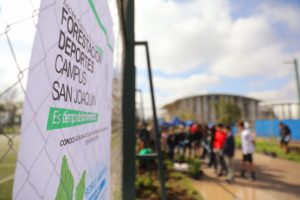 Currently, the university is assessing progress in implementing the strategy and exploring additional projects that contribute to climate action. Additionally, it is consistently implementing programs, activities, and campaigns aimed at fostering sustainability awareness within the university.

Sustainability Reporting Survey Results Released
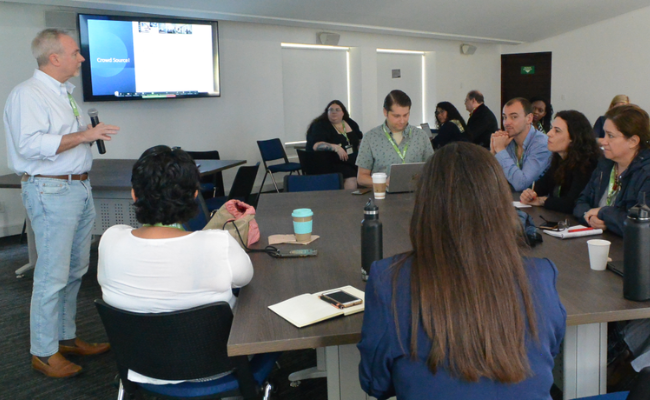
Across the globe, sustainability has become a strategic theme for higher education institutions. Not only in the traditional domains of research and teaching, but also in the institution’s mission and planning, public engagement, campus operations, and other related contexts. A key means for institutions to monitor and report their progress is sustainability reporting.
Based on this observation, the ISCN Sustainability Reporting Group developed a survey in late 2022 to gain an understanding of existing sustainability reporting practices in the global higher education sector. The survey also aimed to identify challenges and opportunities to improve current practices of sustainability reporting and form the basis for policy recommendations.
The survey covered a range of topics including the strategic priority of sustainability, reporting standards used, stakeholder influence, drivers, and many more. Sixty-nine valid responses were analysed.
Seven key insights were drawn from the survey responses.
- Sustainability is of strategic importance. Unsurprisingly given who was surveyed, sustainability is a strategic importance for respondents, particularly for ISCN members. University size or location does not impact strategic importance significantly. Almost all respondent universities define sustainability goals.
- Leadership counts. University leadership has the greatest influence on making sustainability a priority at an institution. Students, staff, and academics/faculty have a similar amount of influence. External entities like government, industry and society has some but lesser influence.
- Size and resources are related. The larger the university, the more likely there is a sustainability office.
- Reporting faces internally. Staff (academic and professional) and students are the priority target groups of sustainability reporting for respondents.
- Sustainability reporting is collaborative. More than 10 people are involved in the sustainability reporting process for universities across ISCN membership, location, and university size. A wide variety of units across the university are involved.
- Reporting is driven by commitment and better decision making. The two most important drivers for respondents were "Monitoring progress of sustainability performance to inform decision-making processes" and "Intrinsic belief in the importance of sustainability".
The Reporting Group then followed up with a workshop discussion at the 2023 ISCN Conference in Mexico City, where members discussed the preliminary results and agreed with the final conclusion:
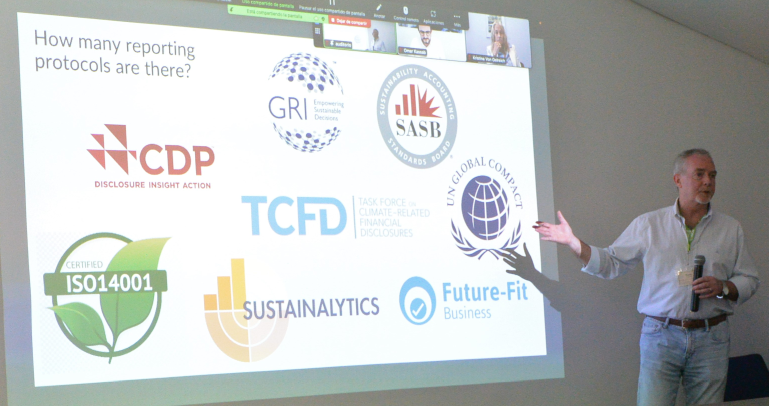
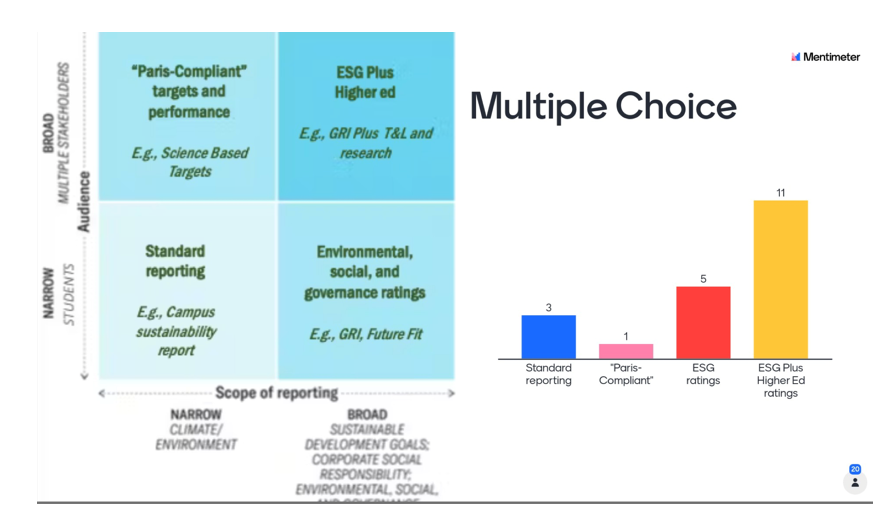
7. There is no reporting standard.
Workshop members asked the Reporting Group to consider how ISCN might co-develop a general reporting standard that could become recognizable in the manner of corporate ESG reporting frameworks.
Download the ISCN Sustainability Reporting Survey Summary - April 2024 (PDF)
Many thanks to everyone that completed the survey, and current and former members of the sustainability reporting group for their work:
Ana Carla Madeira, Universidade do Porto (Portugal)
Andreas Dionyssiou, Cyprus University of Technology (Cyprus)
Angel Calderon, Royal Melbourne Institute of Technology (Australia)
Anna Berglund, formerly KTH Royal Institute of Technology (Sweden)
Claudia Zingerli Glatt, ETH Zurich (Switzerland)
Davis Bookhart, Northeastern University (USA)
Dimitrios Noukakis, EPFL (Switzerland)
Jen Crothers, ISCN
Kristina Von Oelreich, KTH Royal Institute of Technology (Sweden)
Omar Kassab, formerly ETH Zurich (Switzerland)
Paul Cross, ETH Zurich (Switzerland)
Sebastian Kahlert, ETH Zurich (Switzerland)
Sonja Moghaddari, EPFL (Switzerland)
Xime Trujillo, University of Pennsylvania (USA)
Please email [email protected] if you are interested in joining the group.
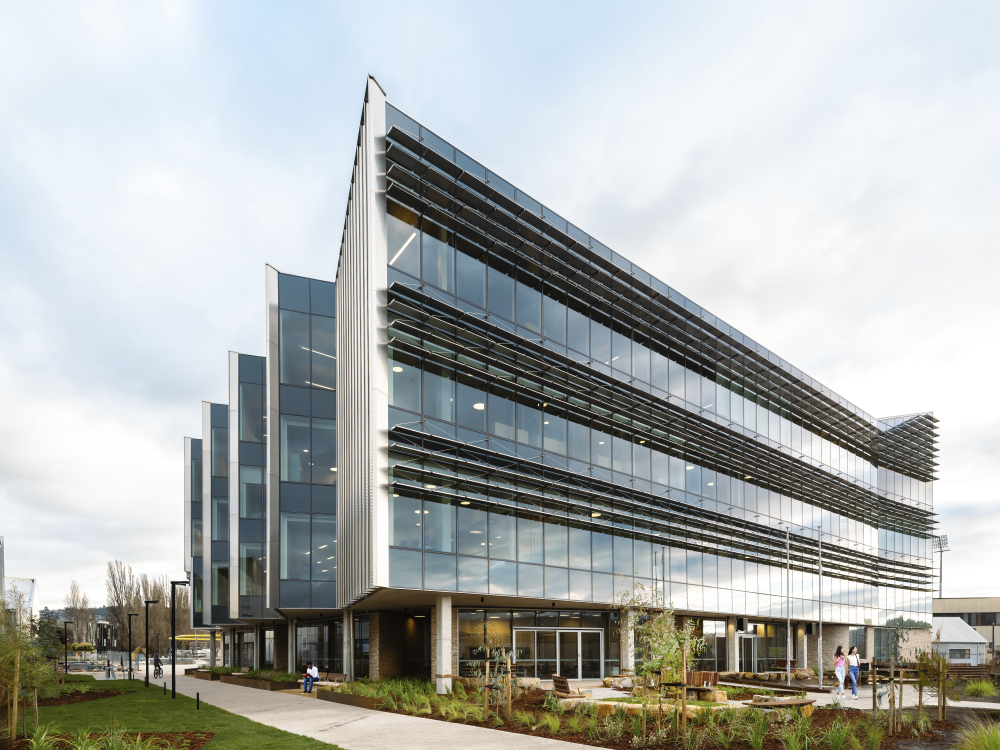
Using the building design and delivery process to deliver carbon reduction
Webinar featuring Corey Peterson, Chief Sustainability Officer at the University of Tasmania
ISCN 2024 UTAS Webinar - Embodied carbon presentation
Date: May 28 / May 29 (Asia, Oceania)
Time:
Australia (AEST): 7-8:15am May 29
Pacific Daylight Time (PDT): 2-3:15pm May 28
Eastern Daylight Time (EDT): 5-6:15pm May 28
Check the start time in your time zone and download a calendar link for this event.
Details:
Together, building operations and construction now account for nearly 40% of global energy-related CO2 emissions (UNEP 2021). The University of Tasmania is undertaking a $750+m redevelopment of our campuses in Tasmania and New South Wales. Given our world leading Times Higher Education Impact #1 ranking for Climate Action, Carbon Neutral certification (one of three certified carbon neutral Australian universities), and being a Race to Zero signatory, we have worked to minimise embodied carbon in our building efforts. Our Emissions Reduction Strategic Plan 2022-2030 requires a minimum 50% reduction in gross emissions across all three scopes.
Our Facilities, Sustainability and Finance staff co-designed an approach to align our environmental and financial sustainability goals through innovative financing approach - our Green Bond Framework. The funding received allowed us to avoid 13,527 tCO2e across five projects at the end of 2023, averaging upfront carbon reductions of over 34% for new builds and over 60% for re-purposing existing buildings compared to reference buildings. A continuous improvement approach allowed achieving more reductions over time through a design focus and industry cooperation and upskilling.
Webinar participants will gain an understanding that embodied carbon reduction requires a focus on upfront carbon reduction very clearly in project scopes to guide design and delivery. Industry also needs to step up with viable options, from materials replacement through to de-materialisation, as well as reduced carbon alternatives. It also requires upskilling of all those involved in the building process (from designers and quantity surveyors through to the construction companies, including project managers and the trades) to understand carbon emissions impact issues within their professions.
Corey Peterson is the Chief Sustainability Officer at the University of Tasmania in Australia and charged with advancing a holistic organisational sustainability agenda. He was on the University of Tasmania Governing Council from 2012-2020 and is the current President of Australasian Campuses Towards Sustainability (ACTS). He has also served on the Board of several community organisations, including Sustainable Living Tasmania for ten years (five as President), is a graduate of the Tasmanian Leaders Program and has joint Masters Degrees in Environmental Science and Public Administration. He also spent 16 years supporting science in Antarctica before immigrating to Tasmania.
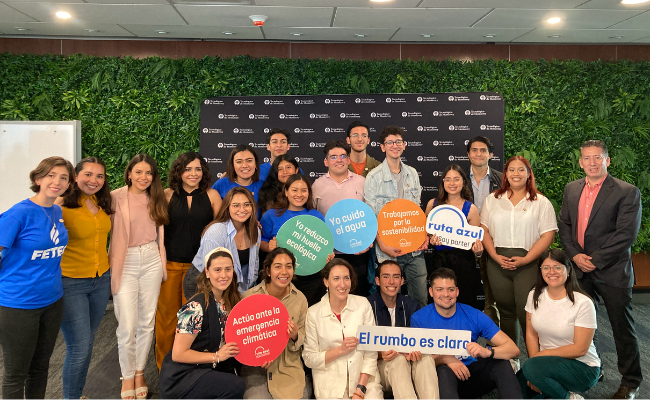
Empowering Sustainability: Ruta Azul Student Committee at Tec de Monterrey
The Ruta Azul Student Committee, (National Student Sustainability Committee), is a joint effort between Ruta Azul, the Sustainability and Climate Change Plan, and the Student Leadership and Development Office (Student Affairs) at Tec de Monterrey. Encompassing student representatives across 26 campuses from both high school and university, the committee is dedicated to addressing sustainability challenges and amplifying student engagement in sustainability and climate action.
The representatives are part of Student Groups and the Student Government, and are entrusted with representing the student community, aiming to ensure a collective approach to sustainability concerns.
First Generation (2022 – 2023)
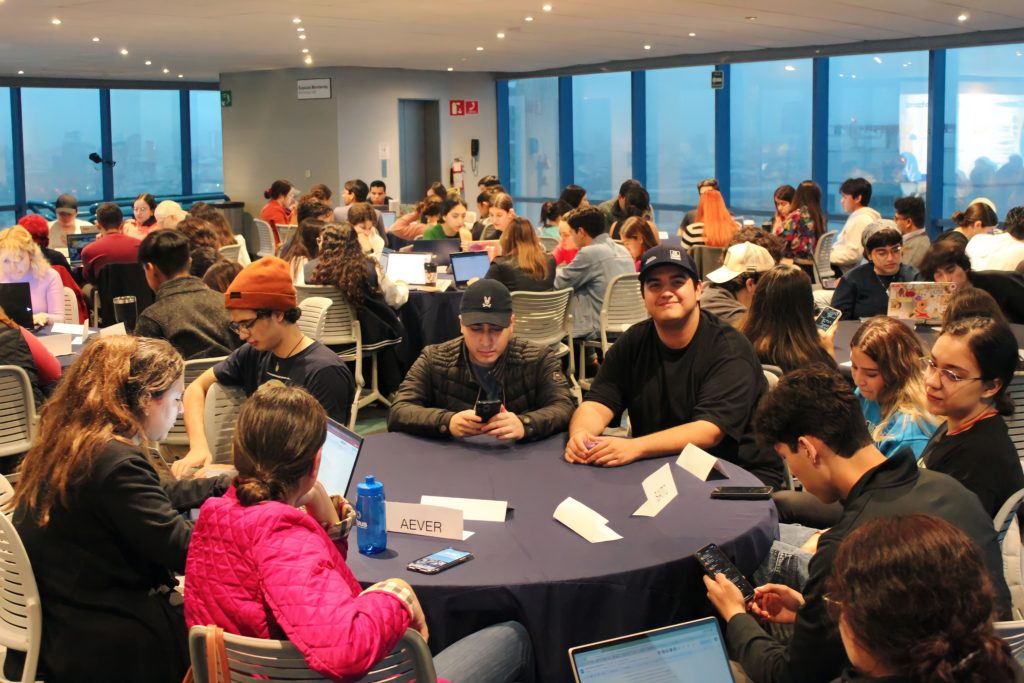
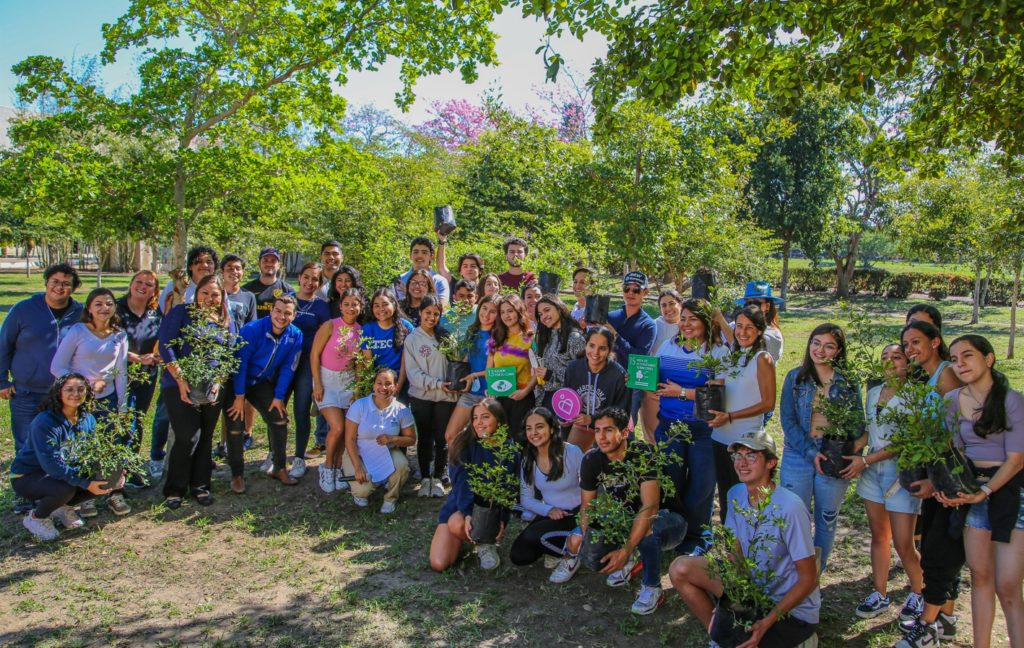
The inaugural cohort (2022-2023), initiated in October 2022 with 32 students, embarked on the ambitious task of designing a national project to propel Tec’s sustainability goals. This endeavor resulted in the creation of the En Ruta: Declaration of Sustainability of Student Groups. From February to April 2023, the committee conducted surveys and workshops in all campuses to gather the vision of Student Groups surrounding sustainability, and organized events such as reforestations and zero-waste workshops to complement the efforts.
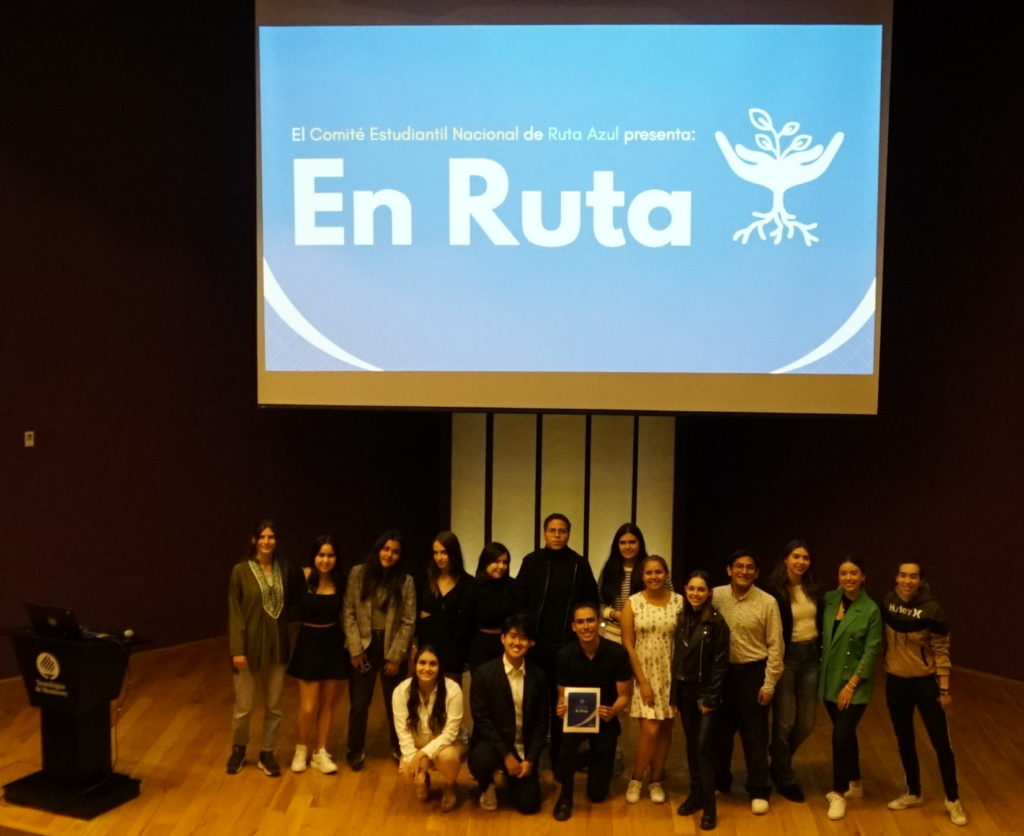
During the second anniversary of the Sustainability and Climate Change Plan in April 2023, the committee presented the declaration, pledging to the following key commitments:
- Cultivating a proactive culture in climate emergency awareness among Student Groups.
- Empowering future Student Group members to implement sustainable actions in event planning.
- Integrating climate change and sustainability into semester plans and annual project activities.
- Encouraging specialized groups and committees within Student Groups to address sustainability issues.
Second Generation (2023-2024)
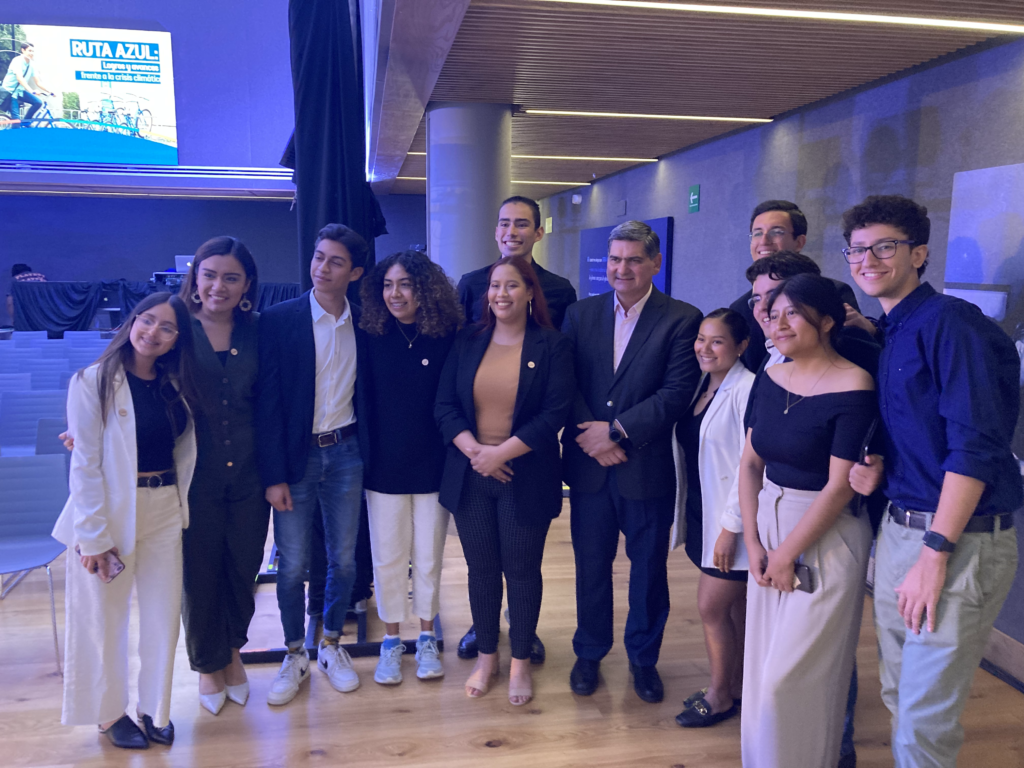
In September 2023, the new cohort of the Ruta Azul Student Committee, consisting of 54 students, began their operations. En Ruta: Declaration of Sustainability of Student Groups was the cornerstone for the ongoing efforts of the 2023-2024 cohort, inspiring the decision to update the Sustainable Events Guide for students. This document is the student version of the institutional Sustainable Events Guide and serves as set of guidelines for sustainable actions in all events organized by students.
Between January and May 2024, the committee will work closely with Ruta Azul in updating the guide, to make sure student’s need and ideas are included and recognized.
The ultimate vision of the committee is to nurture a student community committed to sustainability. The Ruta Azul Student Committee is a clear example of the university’s efforts to engage its community.
ISCN Members at COP28
At this year’s COP28, the Higher Education Sector was more visible than ever before. ISCN members participated in and led several events during the Presidency, official side event and pavilion programs. We also convened discussions that offered members and partners a rare opportunity for in-person community building and agenda setting. Two particular highlights from our time in Dubai included a convening of Latin American groups (week 1) and Network of Networks Roundtable (week 2) towards plans for enhanced regional and global collaboration, respectively.
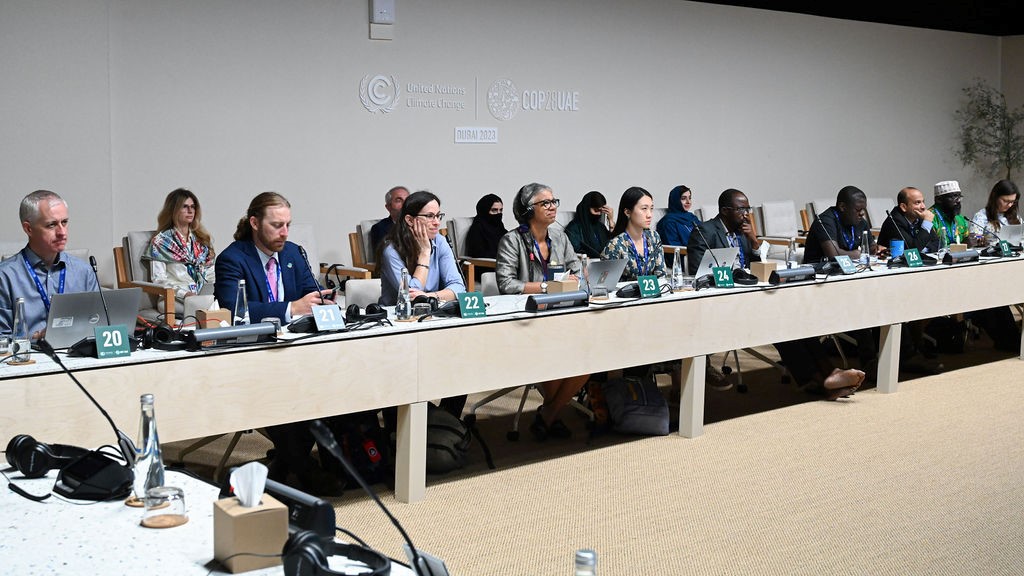
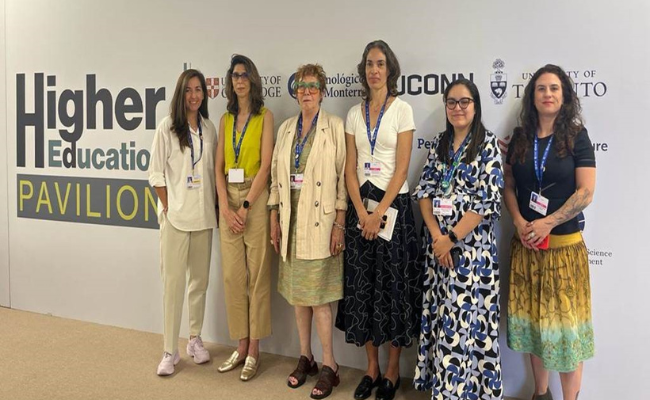
In the first meeting, Paola Visconti, Sustainability Engagement Manager at Tecnológico de Monterrey in Mexico, gathered Latin American Universities present at COP28 to learn how they engage at COPs and how the region can have a more robust presence at COPs, considering the future COP30 in Brazil. Participants at the meeting agreed that the region should unite efforts to enhance participation and unite voices to share experiences, learn from each other, give visibility of the great work already being done by Higher Education in the region and catalyze climate action in Latin America.
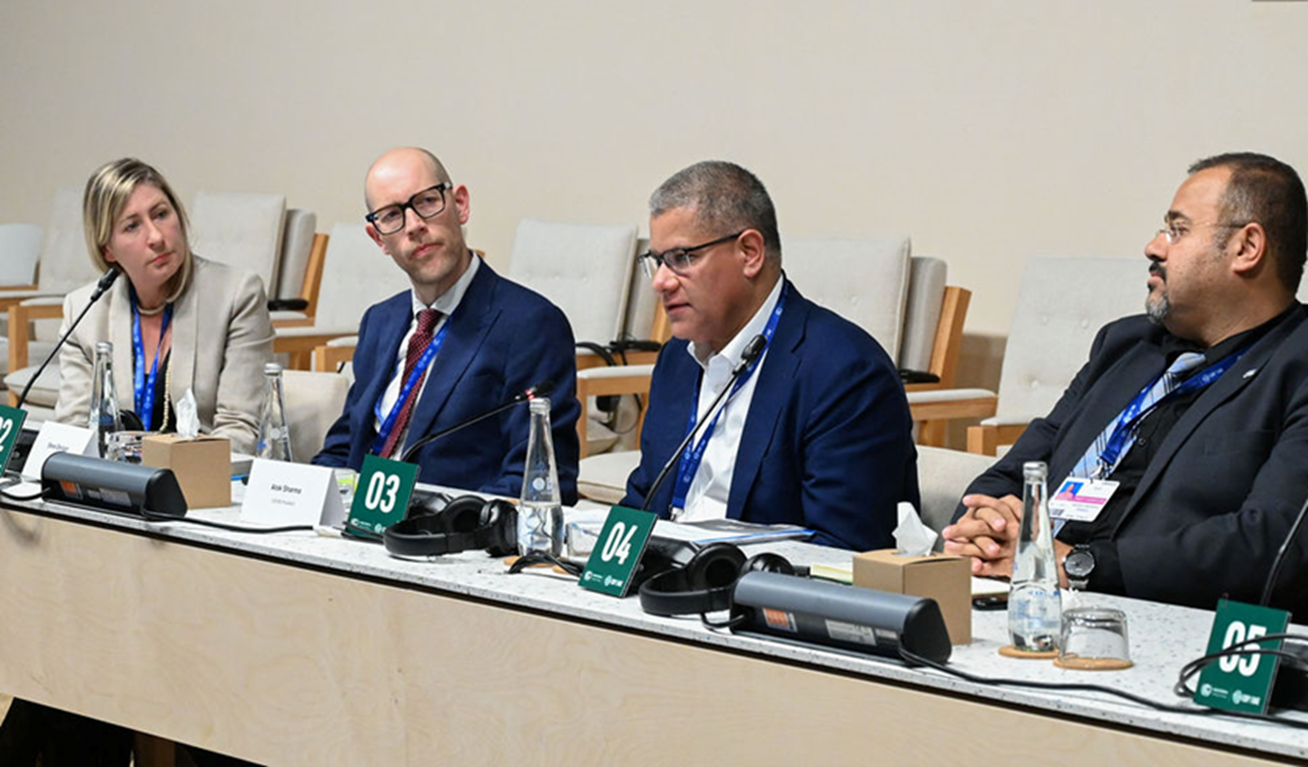
In the second, Kristy Faccer, ISCN Senior Fellow and Director of the President’s Advisory Committee on Environment, Climate Change and Sustainability at the University of Toronto co-convened (with Cambridge University) representatives from more than 20 Higher Education networks and UN partner groups to identify sector-contributions to the High Level Champions and Marrakech Partnership priorities for climate action.

Delegates reached agreement on an overarching vision for higher education, discussed global opportunities and set the foundation for sector-led climate contributions in the coming year and going into COP29 and COP30.