
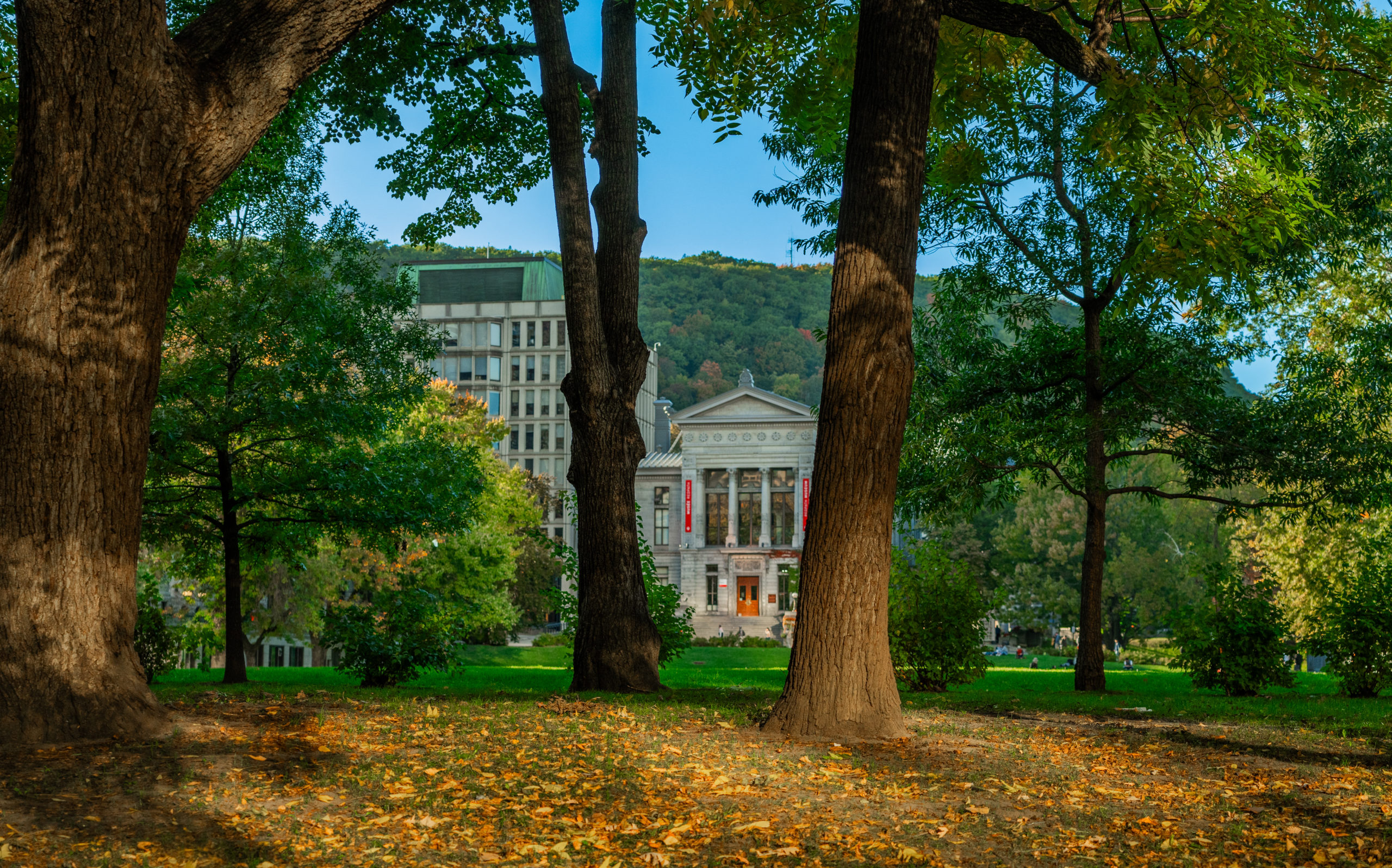
2025 Award Winner: McGill University
Breaking Silos, Building Resilience: A Collaborative Climate Risk Assessment at McGill
Released in 2024, the McGill Climate Risk Assessment provides a comprehensive understanding of the University’s vulnerability to climate change and lays the foundation for effective risk management and adaptation strategies. The assessment was a collaboration between the Office of Sustainability and the Internal Audit Unit responsible for risk management. It involved a cross-cutting committee of administrative departments in partnership with a local consulting firm. Supported by a working group of faculty, staff, and students, key adaptation actions were subsequently incorporated into the McGill Climate & Sustainability Strategy 2025–2030, ranging from raising awareness about extreme weather events to updated design standards.
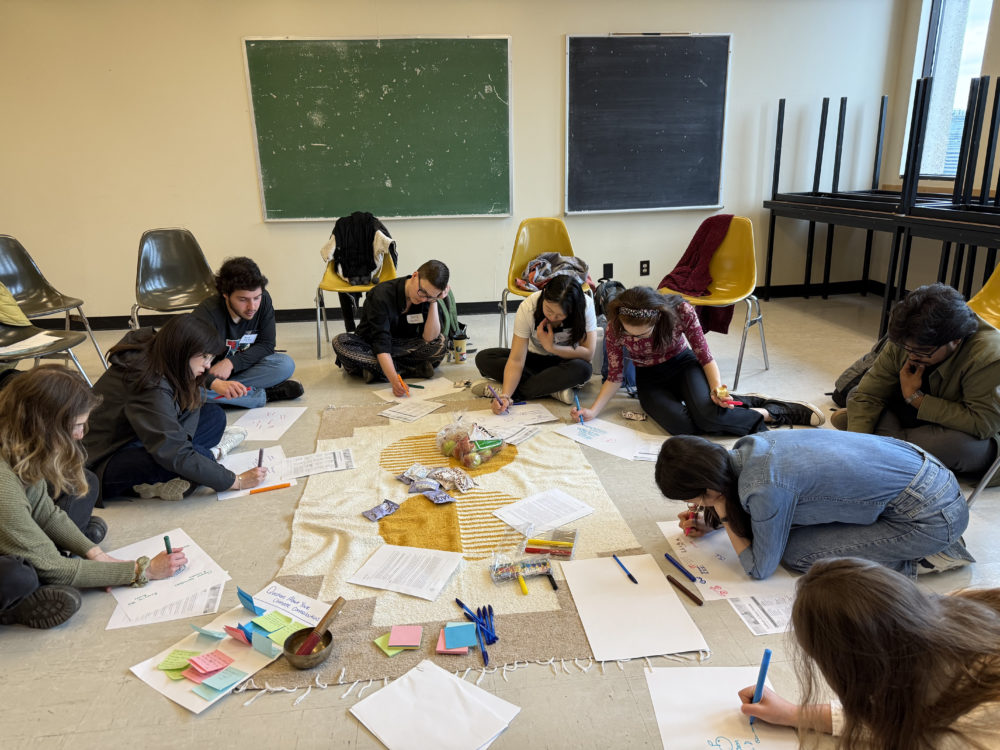
McGill now has a target to address 100% of its critical climate risks by 2030, establishing climate resilience as a strategic institutional commitment. Adaptation actions have begun to be implemented, including offering eco-anxiety workshops and designating libraries as cooling centres during heatwaves.
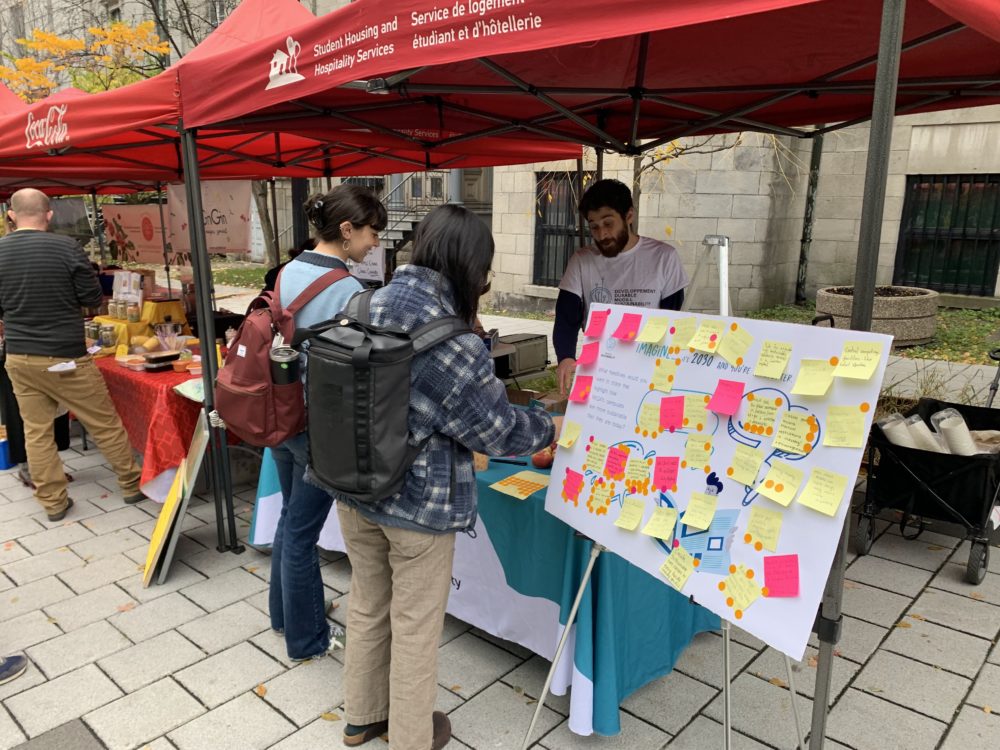
To accelerate regional adaptation efforts, McGill partnered with eight other Quebec universities to share its approach and co-develop a common methodology for climate risk assessments. Launched at the 2025 Montreal Climate Summit, the resulting guide pools knowledge and shares best practices in the hopes of accelerating regional adaptation initiatives. McGill continues to share knowledge gained in the process to further spur climate adaptation, including presenting the assessment and methodology in numerous venues, to audiences such as the College of Internal Auditors of Quebec.
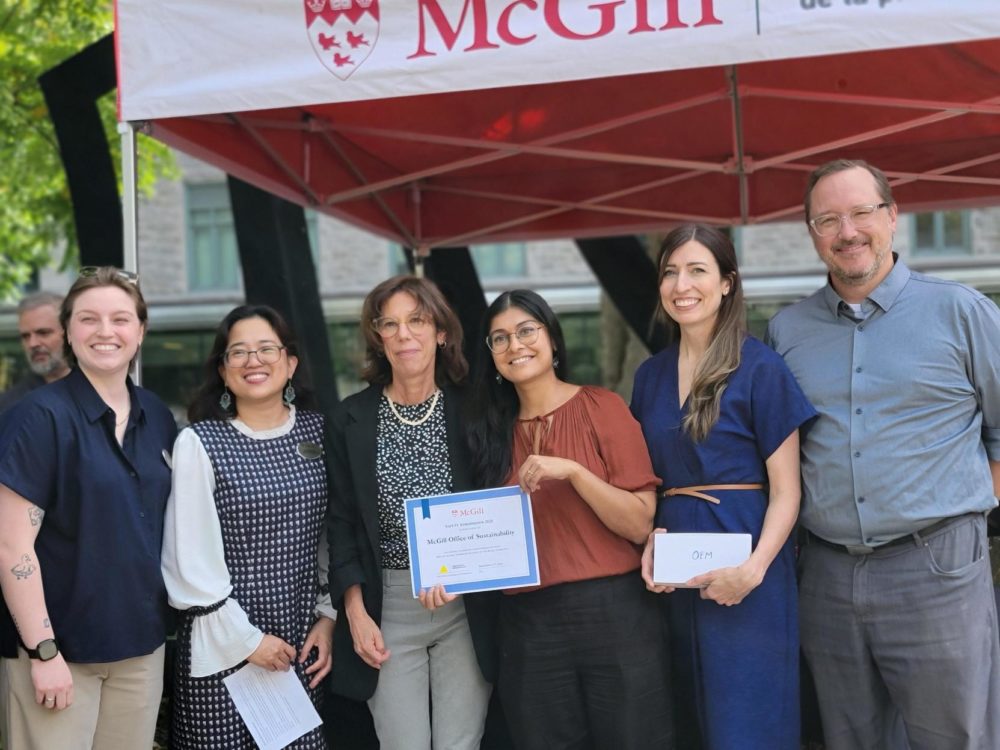
Learn more about McGill's Climate Risk Assessment.


2025 Award Winner: Tecnológico de Monterrey
How Tecnológico de Monterrey’s Sustainability Culture Index Is Transforming Campus Mindsets
Measuring sustainability should never be only about counting emissions or tracking recycling rates. The real challenge lies in understanding the link between the intangible: the beliefs, attitudes, and values and the tangible: how individuals and communities act toward the environment. How can we measure a culture of sustainability? How can we tell if pro-environmental behavior and a culture of sustainability have truly become part of who we are?
To answer these questions, Tecnológico de Monterrey, one of Latin America’s leading universities, developed the Sustainability Culture Index (SCI), an instrument designed to make the invisible visible. Now, in its second measurement cycle (2024–2025), the SCI has evolved from a diagnostic tool into a roadmap for cultural transformation, connecting data with action and understanding with impact.
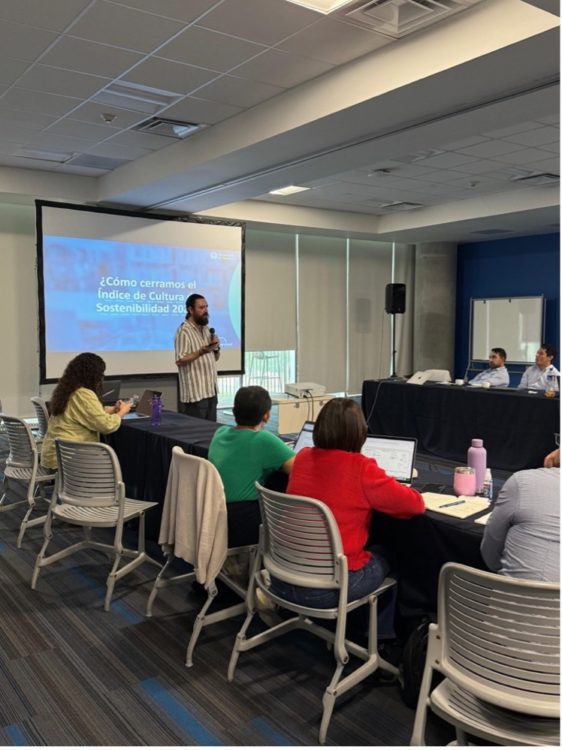
The SCI was first developed in 2021 with the help of professors Florina Arredondo and Gabriel Cué from the School of Humanities and Education, under the academic leadership of Luis Fernández-Carril, Academic Manager of Sustainability. From the beginning, the project sought to build upon the relevant scientific literature existing on pro-environmental behavior to design the survey, including New Ecological Paradigm, as well as the Attitudes, Behavior Context model among other frameworks and conceptual approaches in the literature review, and what other universities were implementing on sustainability culture. The objective was to understand how knowledge, values, attitudes relate to sustainability behaviors, how they take root within a university community, how are these being measured, particularly with intangible elements such as attitudes and ideologies, how to understand different mindsets and ultimately, to motivate action and develop a culture of sustainability. The results of these actions include the design of educational and training courses for staff and faculty, a guideline for the inclusion of education for sustainable development in undergraduate programs, the design of competencies for the update in the educational model, among other actions. The findings have also guided the development of projects and programs, as well as key institutional decisions shaping sustainability policy, for example, the results informed the creation of guidelines for the design of sustainability courses and the design of competencies in all undergraduate programs, as well as the relevant expansion of credits given to sustainability.
In the curriculum design for the 2026 update of the undergraduate educational model, a total of 960 disciplinary credits—representing 29% of all credits—will explicitly incorporate the sustainable development approach. These credits are distributed across 205 courses, equivalent to 20% of all undergraduate programs. Each course will be developed following the course design guidelines informed by the SCI.
The 2025 edition marks a significant evolution of that initial effort and reflects a broader scope, a broader institutional collaboration, a big deployment effort and a more detailed, in-depth analysis. In this second survey cycle, the SCI broadened its thematic scope, refined its questions and expanded the level of analysis to capture a more comprehensive and nuanced understanding of sustainability culture in different topics, including willingness, knowledge of other visions or sustainability frameworks such as regeneration and local and indigenous knowledge, as well as more precise understanding of specific behaviors and level of engagement with institutional initiatives regarding sustainability.
This expansion was achieved through the inclusion of new team members: Jorge Zenil, leader of strategic projects; Kitzia Rodríguez, sustainability specialist; Luis Rojas, faculty member of the School of Humanities; and Eva Guerra, expert statistician from EGADE Business School. Together, they carried out detailed analyses, refined methodologies, classified information, and developed tools to interpret results, draw conclusions, and design strategies to drive action. The project also benefited from knowledge exchange with the University of Michigan and the Pontificia Universidad Católica de Chile.
Meanwhile, to coordinate the extensive logistics of the ICS, Dariela Parra served as the strategic lead for its implementation in her role as Culture Projects Manager. The overall leadership of Paola Visconti and Jaime Dorantes of Ruta Azul (Tec's Climate Change and Sustainability Plan), together with the Direction of Operations and campus sustainability teams, ensured its successful implementation across Tec’s network.
A Deeper and Broader Measurement
The new edition engaged over 22,000 participants including students, faculty, collaborators, and health personnel from TecSalud (the university’s healthcare and hospital system). The results feed directly into institutional and campus sustainability plans and align with STARS (Sustainability Tracking, Assessment & Rating System) indicators, a global framework used by universities such as MIT, Stanford, and Berkeley. This second survey created a sustainability culture baseline in 20 campuses of Tec de Monterrey, a specific score for these campuses. The information resulted in an overall analysis of the Institution and analysis per campus, per faculty.
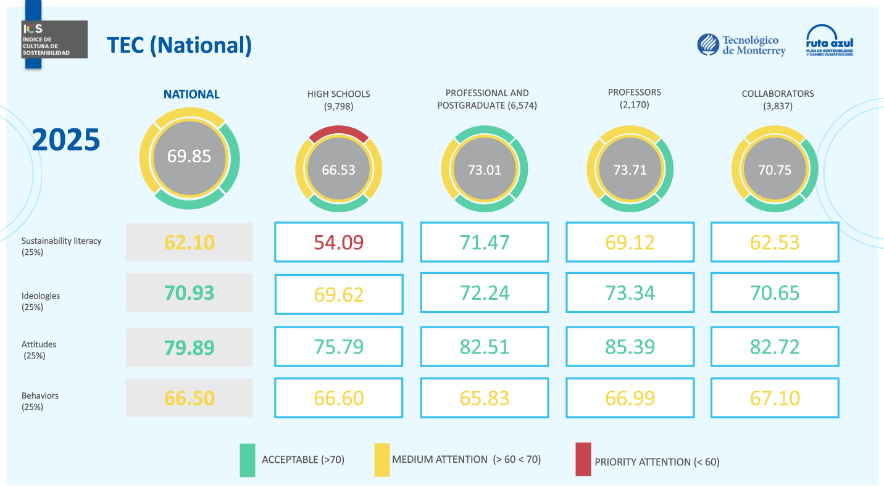
The 2025 results show an encouraging overall increase in the overall score (+3 points), a notable improvement from 2022 (66 points to 69 points /100). Yet they also reveal a persistent challenge in the gap between what people know, believe, and do. Sustainability has become a shared value but translating that awareness into everyday action and in its different social and cultural dimensions remain key challenges.
What the Data Reveals
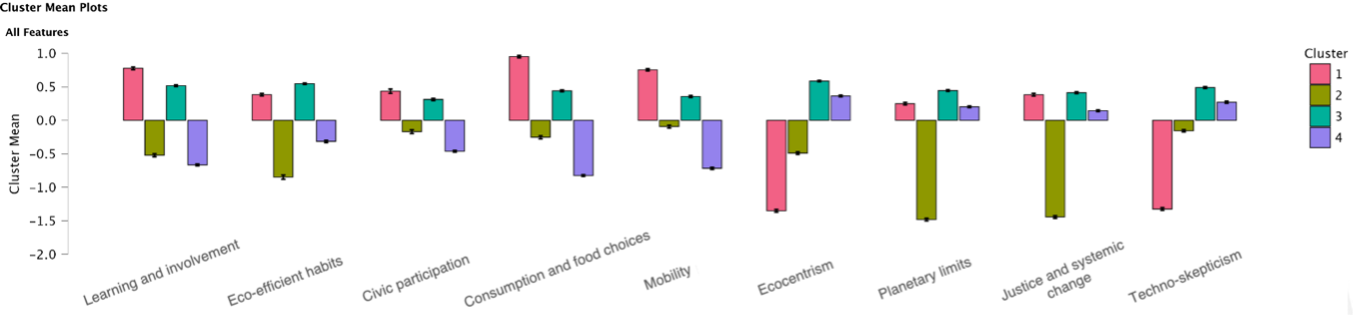
The SCI’s four pillars, literacy, ideologies, attitudes, and behaviors, offer insight into a cultural gap:
- Sustainability Literacy: there is an elementary understanding of environmental issues and limited systemic thinking shaping a view of sustainability as merely an environmental topic, rather than an interconnected social and economic issue.
- Ideologies: There is a recognized concern for the need of social justice though poorly understood outside of a generalized basic concept. Technological optimism remains dominant throughout populations. Belief in technology and innovation as the main solution reflects confidence in progress or the belief in silver bullet solutions overshadowing the need to acknowledge an ethical and cultural transformation.
- Attitudes: There is widespread recognition of planetary limits, residual anthropocentrism and disposition, although disposition or willingness to participate in initiatives decreases as they progressively require more effort. Campus communities recognize that nature has limits, but often lack a deeper understanding of the web of life and struggle to embody non-anthropocentric ways of being in practice
- Behaviors: There is a strong willingness across campus populations to act sustainably, yet this intention is often limited by a misunderstanding of the social and structural dimensions that shape individual choices. In general, people want to live sustainably, but as decisions related to mobility, food, and consumption become more complex or inconvenient, their willingness to act tends to decline. Researchers describe this as
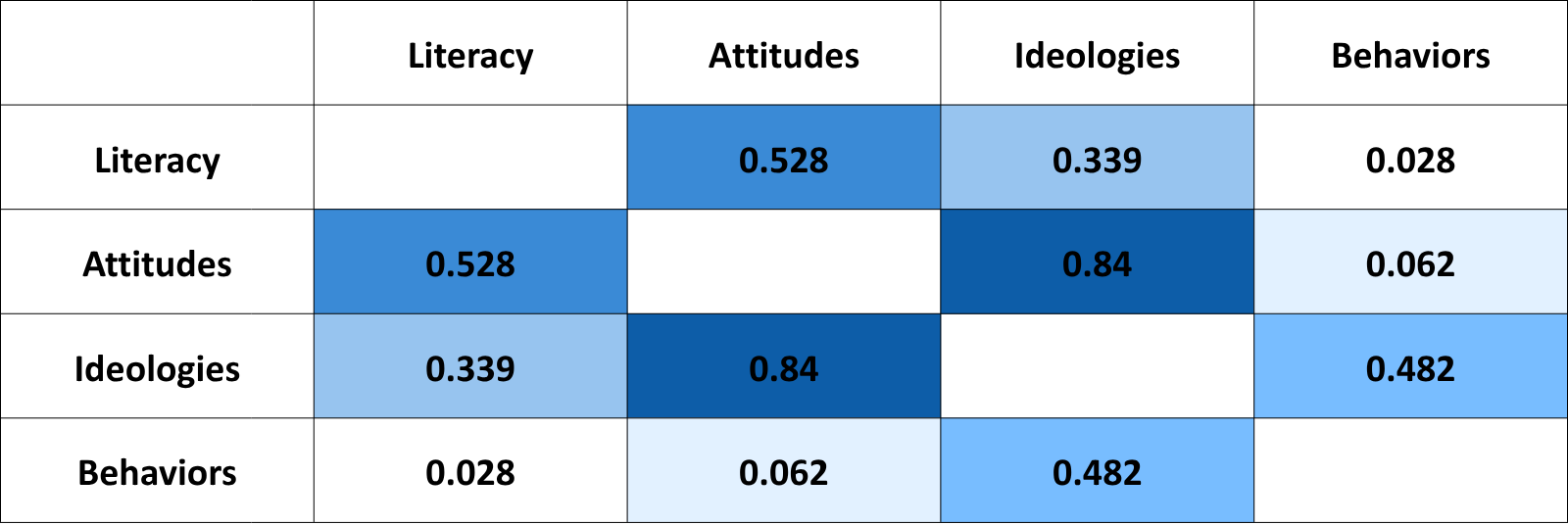
Correlation analyses also confirmed that knowledge alone does not drive behavior; rather, ideologies and values. Particularly sensitivity to justice and systemic change, are the strongest predictors of sustainable action.
Further analysis revealed additional insights and applications of the data. For instance, through a combination of quantitative and qualitative methods, the team identified four cultural archetypes within the community: Actors Without Conviction, the Disengaged, Passive Believers, and Sustainability Ambassadors, each requiring distinct strategies for engagement. These archetypes help profile behaviors, target specific actions, and classify different stages of sustainability culture adoption across the institution. These and other findings will guide the design of future strategies, goals and projects to move toward deeper cultural understanding, a more holistic engagement with students, faculty and staff.
From Data to Transformation
Building on the SCI’s findings and detailed analysis, the results are informing how Tec de Monterrey teaches sustainability, guiding course design and strengthening the development of competencies in futures thinking, ethics, and innovation for both students and faculty.
Regarding operations, each campus now has a Sustainability Culture score, along with resources to create specific action plans and goals toward a more transformative and systemic approach to sustainability culture across the operational and academic levels.
Through the SCI, Tec de Monterrey seeks to cultivate new ways of seeing, thinking, and acting to foster a sustainability culture. The results can inform projects and decision-making, encourage sustainable behaviors, and enhance how the institution teaches sustainability, among other actions, fostering more effective engagement, motivation, and empowerment across diverse groups to take meaningful action and live sustainable lives.
Learn more about Tec's Sustainability Culture Index.
2025 Award Winner: Yale University
Yale Bird-Friendly Building Initiative: Creating Bird-friendly Buildings on Campus and Beyond
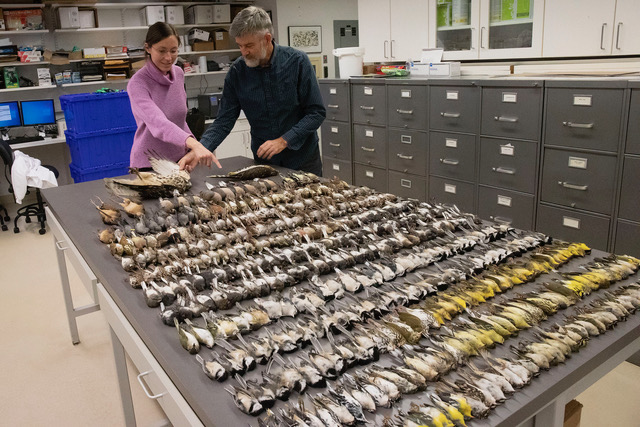
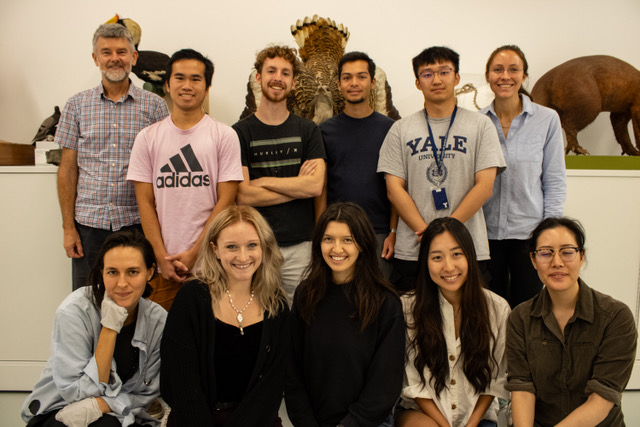
Glass collisions kill up to 1 billion birds every year in North America. These bird deaths are preventable. The Yale Bird-Friendly Building Initiative was established in 2021 to accelerate the development and adoption of bird-safe building design and materials on Yale’s campus and beyond. The Initiative is a collaboration of the Law, Environment & Animals Program at Yale Law School, the Yale Peabody Museum, the Yale Office of Facilities, the Yale Office of Sustainability, and American Bird Conservancy, with funding provided by Yale Planetary Solutions. Our first project focused on monitoring bird strikes on Yale’s campus and developing a data-driven action plan to significantly reduce bird-window collisions at Yale. Our second project focused on identifying and evaluating bird-friendly building policies at the city, state, and national levels to accelerate the adoption and development of bird-friendly building design and materials.
Currently, hundreds, and likely thousands, of birds are killed by window collisions every year on our campus. At a single Yale building where bird strikes were monitored from April 2018 to April 2022, more than 400 birds of more than 50 species were killed or injured due to window-strikes. By retrofitting problematic facades with bird-friendly film and updating our design standards to require that new buildings follow rigorous bird-friendly standards, the university is accelerating efforts to save countless wild birds and to become a model for how institutions can support wildlife-friendly design. With more than 22 million gross square feet of space spanning more than 530 buildings, Yale has the opportunity to save thousands of birds from unnecessary deaths on our campus.

In partnership with American Bird Conservancy’s Glass Collisions Campaign experts, Yale researchers focused on identifying and evaluating city, state, and federal policies and strategies to accelerate the adoption of bird-safe building design at scale beyond Yale’s campus. Over the past two decades, more than a dozen cities and towns across America—most notably New York City—have adopted bird-friendly design requirements, usually by modifying building or zoning codes for certain types of new buildings. Legislation aimed at reducing bird mortality has also been proposed at the state and federal levels. These efforts are significant but remain limited in reach and rarely apply to pre-existing buildings.In 2023, we published the report “Building Safer Cities for Birds” as a resource for the public, advocates, and policymakers, along with a database of bird-friendly building policies in the U.S. Today, the Yale Bird-Friendly Building Initiative continues to analyze the effectiveness and impacts of existing bird-friendly policies with a goal to propose new policy strategies to accelerate the development and adoption of bird-friendly technologies for both new and existing buildings.
Learn more about the Yale Bird-Friendly Building Initiative.
2025 Honourable Mention: The Hong Kong University of Science and Technology
HKUST Net-Zero 2045: A Scalable Blueprint for Institutional Decarbonization
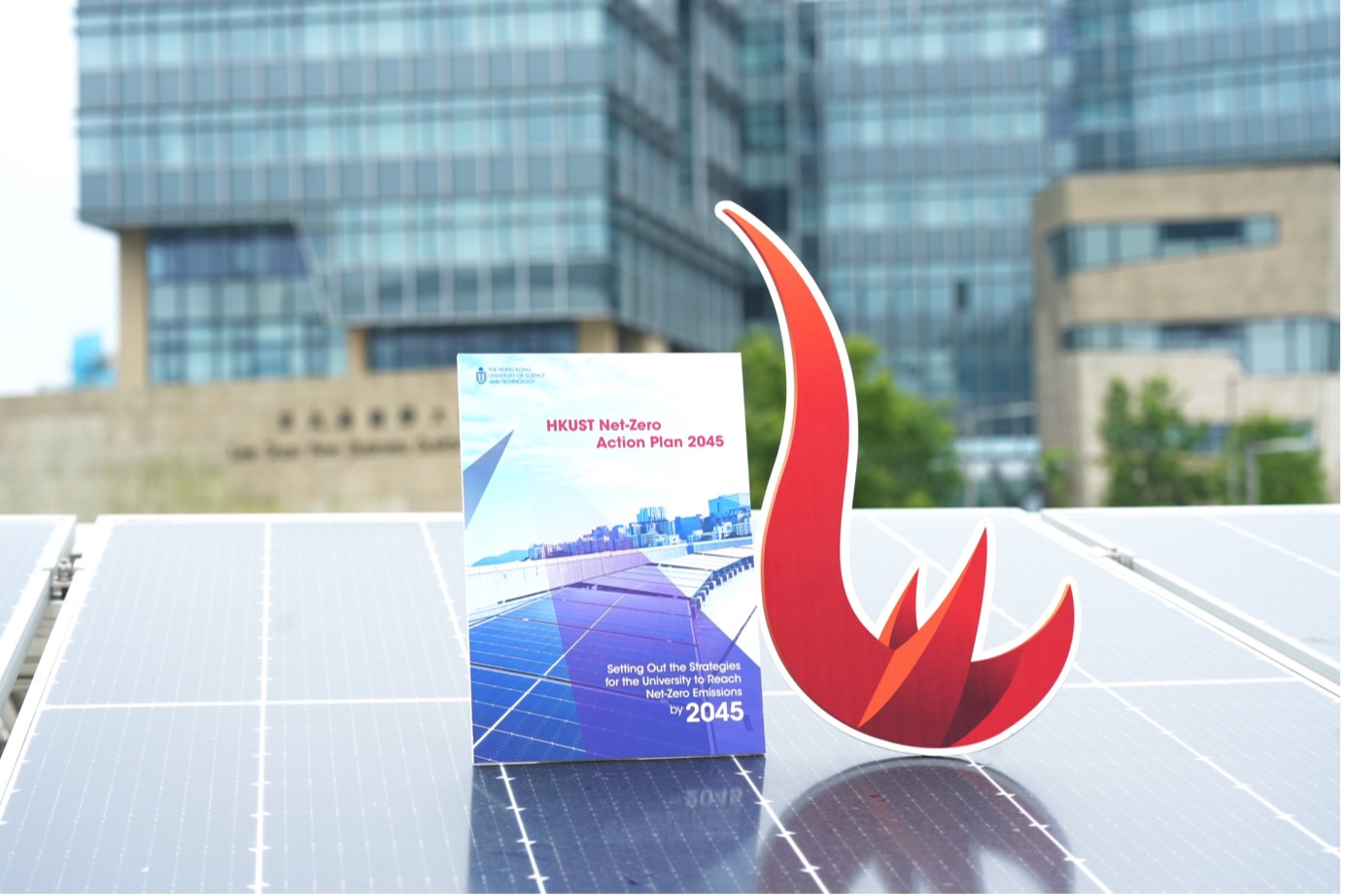
The Hong Kong University of Science and Technology (HKUST)’s Net-Zero Action Plan is a transformative and comprehensive roadmap that steers the entire university community towards an ambitious 2045 net-zero carbon target. This is not merely a climate pledge but an actionable framework that integrates sustainability across all university functions—governance, operations, research, teaching, and partnerships.
The plan is structured around five strategic pillars:
- Designing all new buildings as net-zero carbon
- Creatively funding investment in energy conservation and renewable sources
- Enhancing climate resilience
- Creating pathways for net-zero research and education
- Establishing sensible cost-recovery funding mechanisms
Demonstrable Impact & Momentum
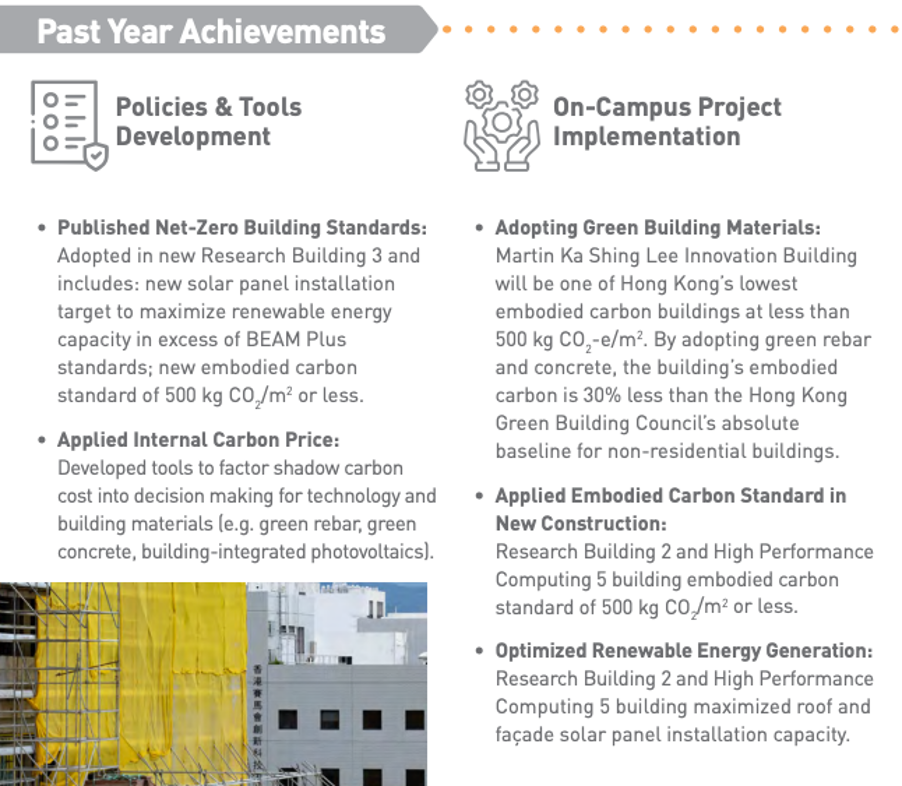
Since its launch, the Net-Zero 2045 Action Plan has released its 2024/25 Progress Update, which demonstrates the delivery of concrete, impactful outcomes to the campus and our ways-of-working:
- Pioneering Policies: Established Hong Kong’s first institutional Net-Zero Building Standards, incorporating embodied carbon requirements and a shadow carbon pricing mechanism to guide decision-making.
- Funding Innovation: Allocated HK$30 million, funded by Feed-in-Tariff revenues, to pilot cutting-edge technologies, transforming our campus into a living lab.
- Engaging a Broader Ecosystem: Launched targeted net-zero training for contractors, partnered with startups to pilot green technologies, and formed a 16-university Carbon Neutrality Collaboration to drive industry change.
Going forward, HKUST will conduct regular reviews of the Net-Zero Action Plan, with updates provided regularly to ensure transparency on progress towards goals.
Collaboration as a Core Principle
The plan was co-created and is being implemented through deep collaboration with stakeholders and external partners, ensuring alignment with real-world needs and fostering shared ownership of sustainability goals.
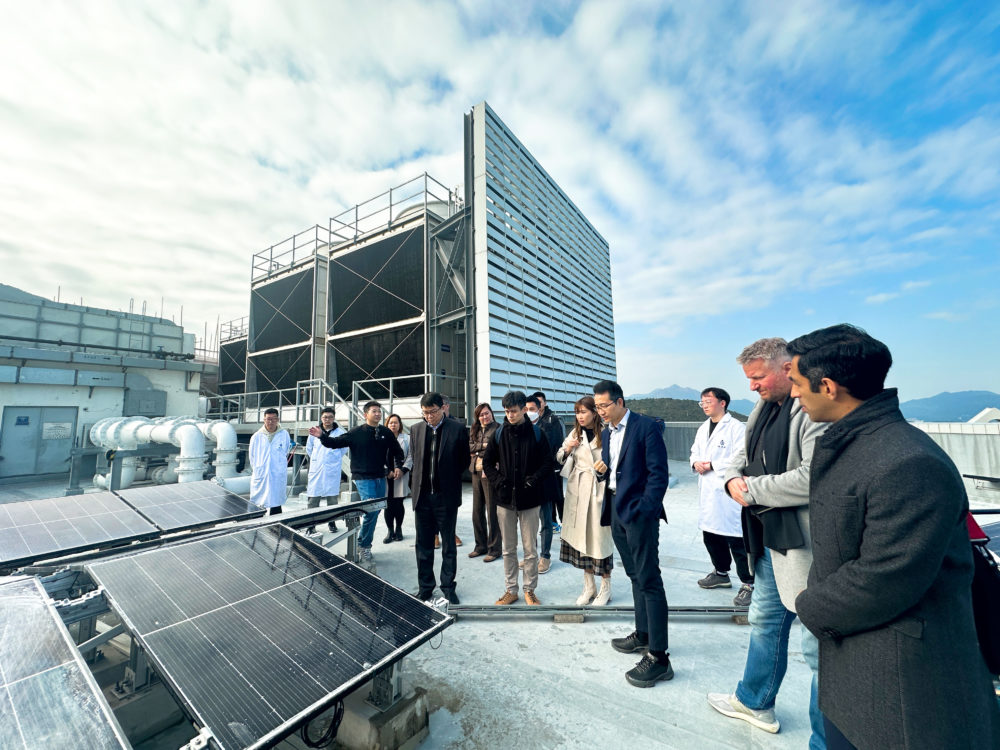
- Engaging Campus Operators: The Net-Zero Building Standards were developed jointly with the Campus Development Office, Campus Management Office, and building consultants to ensure practicality.
- Collaborating with Faculty: Climate resilience strategies are being designed with faculty experts to address site-specific risks.
- Partnering Industry: HKUST's shadow carbon pricing is determined through dialogue with local corporate leaders, ensuring alignment with industry best practices. The university has partnered with initiatives like Carbonless to evaluate decarbonization technologies, collaborating with Hong Kong Science & Technology Parks Corporation to accelerate scalable solutions, and developed capacity-building modules for contractors and suppliers.
This plan redefines HKUST as a living lab for sustainability, where stakeholders contribute and mutually benefits, driving industry change.
Navigating Challenges with Innovative Solutions
HKUST is proactively addressing significant challenges to ensure the plan’s success:
- Developing Sustainable Funding: To establish viable cost-recovery mechanisms, the university is learning from corporate partners to create a shadow carbon cost framework and a charging mechanism.
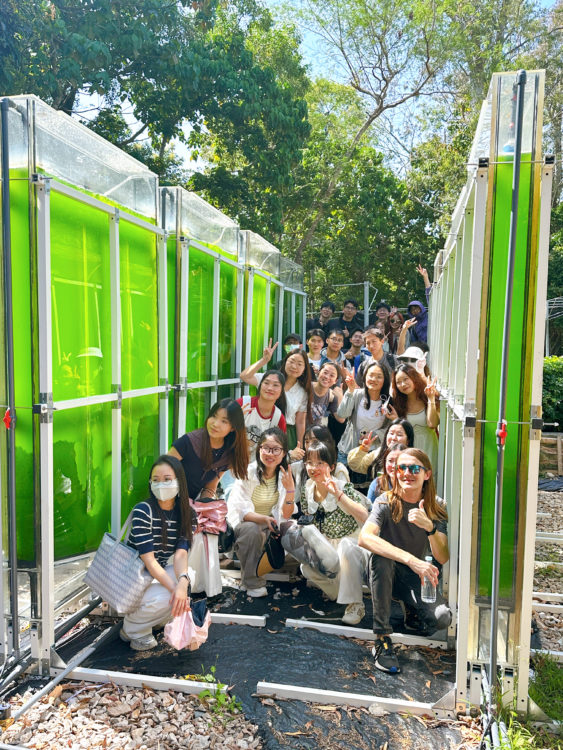
- Accelerating Technology Adoption: With many net-zero technologies still emerging, the university is committed to creating a risk-tolerant "living lab" environment where new climate technology can be validated at scale.
- Setting Ambitious Building Standards: The Net-Zero Building Standards surpass the highest green certifications yet remain practical through a "Comply or Explain" framework and mandatory data disclosure, balancing ambition with on-the-ground feasibility.
HKUST’s plan holistically aligns all university functions with a net-zero goal. It offers a financially innovative, technically rigorous, and collaboratively built model that is both locally relevant and globally scalable, providing a vital blueprint for institutions and organizations on the path to a net-zero future.
Learn more about HKUST's Net-Zero Action Plan 2045.